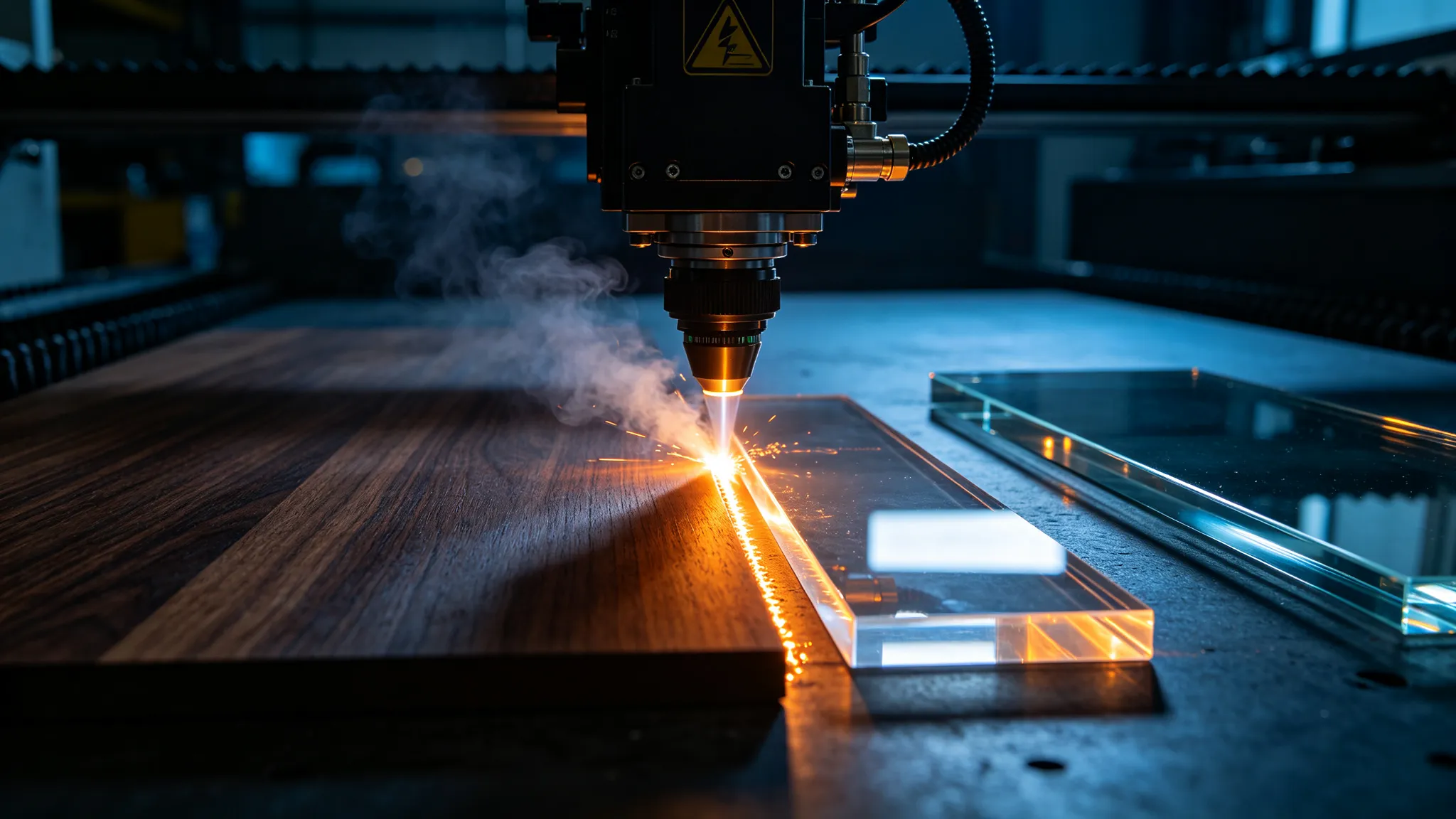
When high-speed packaging lines stall or wooden artisan crafts show unsightly scorched edges, production managers quickly learn a fundamental laser physics lesson: wavelength matching is non-negotiable. While fiber lasers have captured the metal processing spotlight, the 10.6 µm far-infrared output of the CO₂ laser remains the undisputed heavyweight champion for non-metallic substrates.
From high-volume consumer packaged goods (CPG) date coding to custom leather goods and precision glass etching across North American and European markets, CO₂ laser marking delivers unmatched thermal coupling, clean kerfs, and high throughput. Here is why this proven wavelength continues to dominate organic and non-metal manufacturing.
1. The Physics of Absorption: Why 10.6 µm is the Sweet Spot for Non-Metals
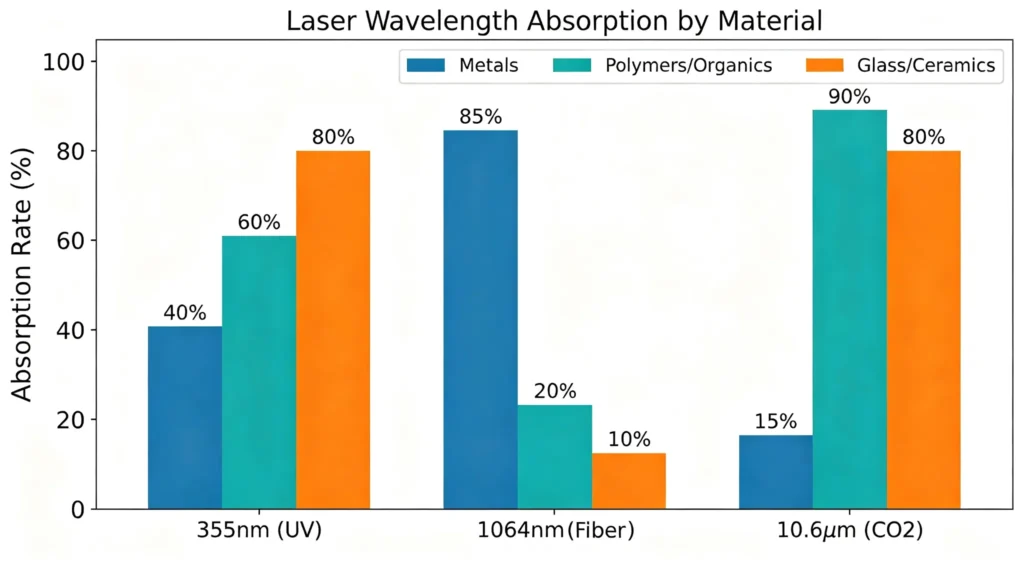
The dominance of CO₂ technology isn’t a matter of legacy habit—it comes down to fundamental molecular physics. Organic compounds, polymers, silicates, and cellulosics consist largely of C–H, O–H, and C–O chemical bonds. These specific molecular bonds resonate directly with far-infrared radiation, specifically around the 10.6 µm (10,600 nm) wavelength.
| Material Category | Fiber Laser (1064 nm) Absorption | CO₂ Laser (10.6 µm) Absorption | Resulting Processing Effect |
|---|---|---|---|
| Wood & Paperboard | Low / Scorching | > 90% High Absorption | Vaporization without localized charring |
| Acrylic (PMMA) | Transmission (Transparent) | > 90% High Absorption | Flame-polished, smooth edge melting |
| Glass & Quartz | Transmission (Pass-through) | ~ 80–90% High Absorption | Crisp micro-fracturing / thermal shock etch |
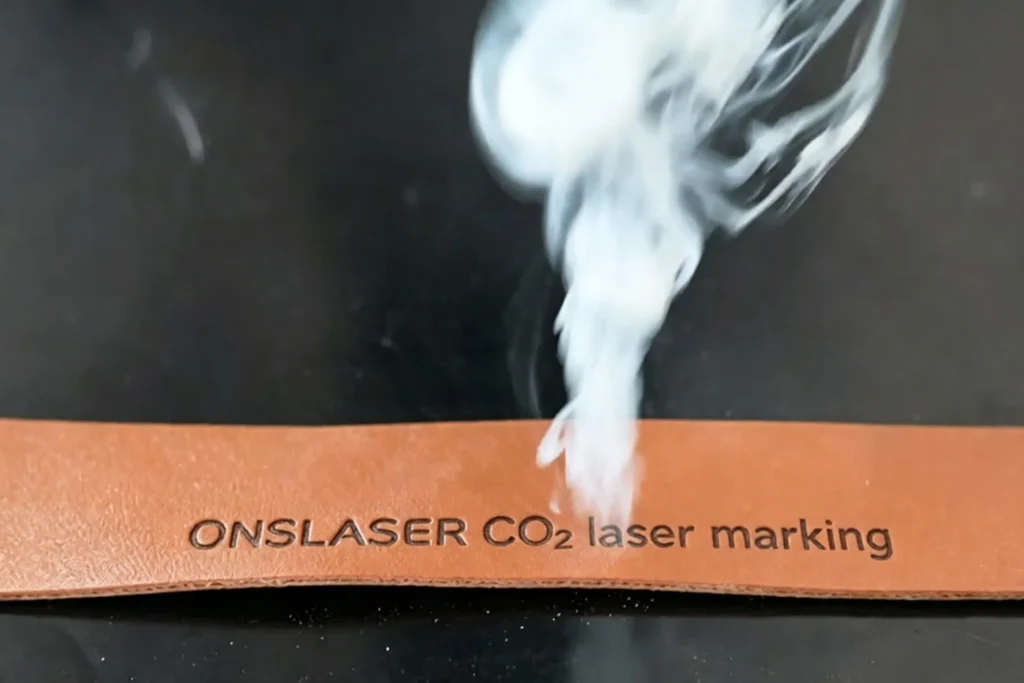
| Leather & Rubber | Melting / Unstable | > 85% High Absorption | Clean ablation, high-contrast marks |
| Bare Metals | 80–85% High Absorption | < 10% (High Reflectivity) | Unsuited for CO₂ without surface coatings |
Because the substrate absorbs almost 90% of the incident CO₂ optical energy, the processing energy is immediately converted into clean thermal ablation or localized vaporizing—rather than reflecting off or bleeding excessive heat into surrounding zones.
2. Core Operational Advantages: Why CO₂ Outperforms in Non-Metal Processing
Engineered specifically for organic substrates, modern CO₂ laser systems deliver distinct operational benefits that directly tackle the pain points of traditional mechanical tooling and fiber alternatives:
1. Broad Organic Compatibility
Thanks to high 10.6 µm optical energy absorption, CO₂ systems easily process wood, leather, rubber, paperboard, and polymers. Where fiber or UV lasers struggle with light reflection, burn-through, or zero absorption, CO2 lasers couple efficiently to form crisp, permanent marks.
2. Large-Format & Deep Engraving Capability
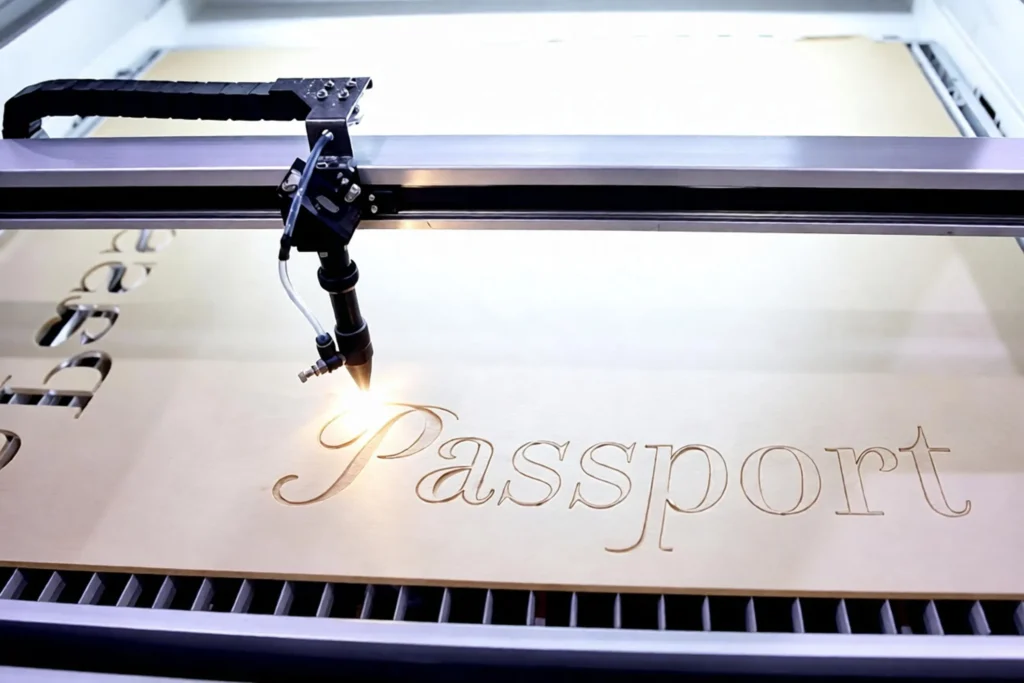
Equipped with heavy-duty galvo-optical scanners and high thermal conversion efficiency optical tubes, CO₂ systems execute seamless large-field single-pass marking, deep 3D-style wood carving, and clean acrylic etching without losing laser focus across the margins.
3. Delicate, Non-Scorched Surface Finishing
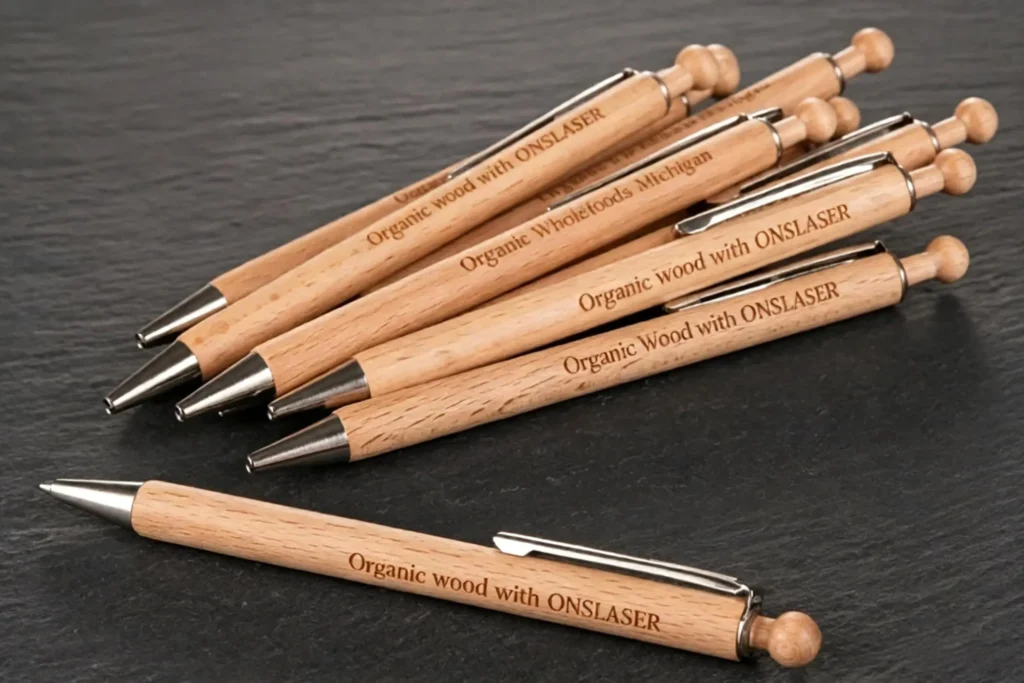
By delivering gentle far-infrared laser pulses, the beam vaporizes target areas without severe thermal charring, cracking, or edge burns. Engraved wood textures and cut leather edges display clear, natural gradient layers—ideal for high-end gift customization, artwork, and artisan craft manufacturing.
4. Seamless High-Speed Line Integration
With dynamic optical encoders and high-speed galvanometers, CO₂ marking heads seamlessly integrate into automated conveyor lines for “Marking-on-the-Fly” (MOTF). They deliver continuous high-speed batch coding and expiration dating on fast-moving CPG bottles, cans, and cartons without pausing line throughput.
3. Compatible Materials Blueprint: What Can You Process?
| Substrate Category | Compatible Materials | Primary Processing Results |
|---|---|---|
| Wood & Cellulose | Hardwood, Softwood, MDF, Plywood, Bamboo, Paperboard | Clean dark engraving, soot-free inlays, fine vector cutting |
| Polymers & Plastics | Acrylic (PMMA), Polycarbonate, PET, ABS, Rubber, Silicone | Flame-polished acrylic edges, high-contrast surface marks |
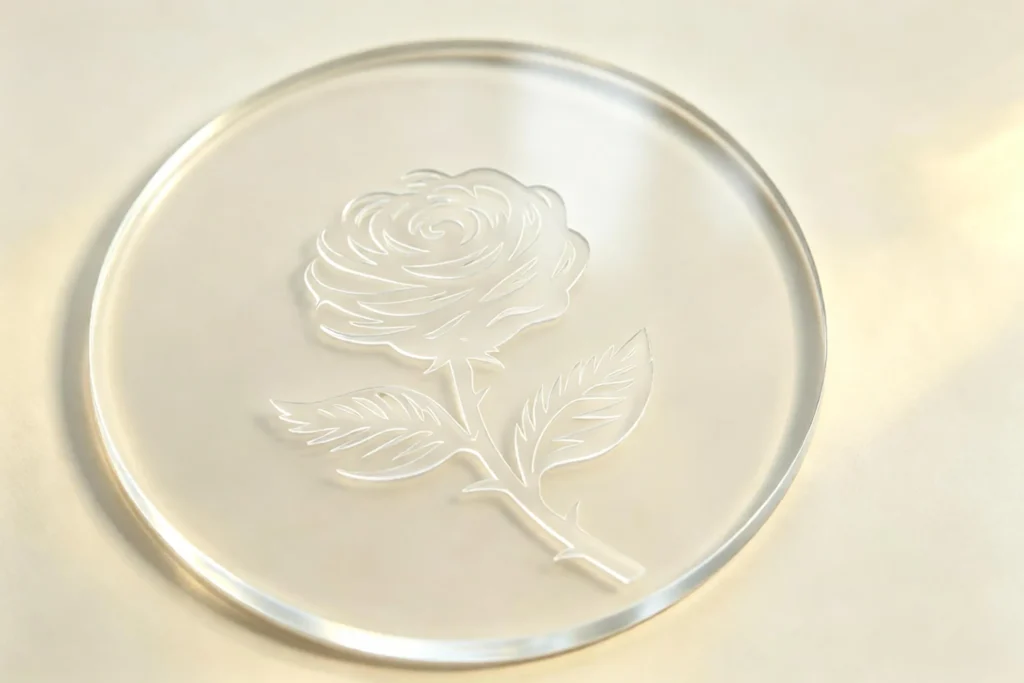
| Glass & Silicates | Soda-lime glass, Borosilicate, Quartz, Ceramics | Micro-fractured white frost marks, container branding |
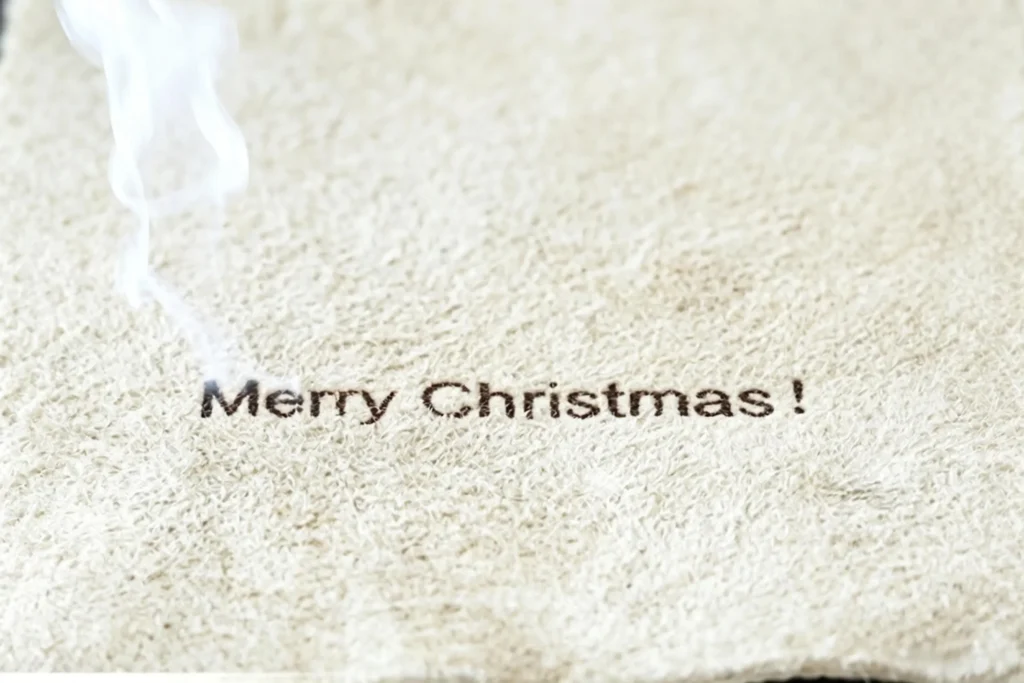
| Textiles & Leather | Genuine leather, PU/PVC synthetic leather, Denim, Felt | Sealed cut edges (no fraying), high-detail surface branding |
| Organic Food / Packaging | Coated cartons, PET packaging, Fruit peels, Bakery items | Direct natural brand marking without chemical toxicity |
4. Industry Deep-Dive: Where CO₂ Lasers Dominate
Consumer Packaged Goods (CPG) & High-Speed Packaging
European and North American regulatory mandates require indelible, non-toxic serial numbers and batch codes. Replacing inkjets with high-speed CO₂ galvo marking heads on packaging lines eliminates ink cartridge consumables, nozzle clogging, and hazardous chemical disposal.
Woodworking & Custom Artisan Crafts
In high-end furniture and personalized wooden craft markets, carbonization control is critical. CO₂ lasers vaporize lignin instantly, avoiding dark soot edges while maintaining crisp detail on complex joinery and decorative artwork.
Glassware & Beverage Container Etching
Because fiber laser light passes straight through clear glass, CO₂’s 10.6 µm wavelength is mandatory. It creates controlled thermal micro-fractures on the surface, yielding a frosted, luxury etch on wine bottles, craft beer growlers, and glassware.
Leathercraft & Automotive Interiors
Whether cutting genuine leather or marking synthetic PU/PVC upholstery, CO₂ lasers deliver contactless processing that automatically heat-seals edges against thread fraying without requiring physical die-stamping dies.
5. Total Cost of Ownership (TCO): The Economic Reality
- Lower Initial Capex: Commercial CO₂ galvo systems offer a lower setup investment compared to specialized UV setups.
- Consumable-Free ROI: Eliminating ink and solvent cartridges drops per-mark operational costs significantly.
- Long-Life RF Metal Tubes: Modern RF metal tube CO₂ laser sources provide 20,000 to 40,000 hours of operating life and can be recharged and serviced, avoiding total source replacement costs.
6. Why Partner with ONS LASER for Your CO₂ Infrastructure?
- Unbiased Technical Guidance: We manufacture across Fiber, CO₂, UV, and MOPA laser sources, recommending the exact optical configuration for your substrate based on empirical testing.
- European Warehouse & Showroom: Duty-paid shipping and direct access to live demonstrations at our European facility.
- 100% Pre-Calibrated & Plug-and-Play: Full optical path alignment and burn-in testing done prior to dispatch for quick 10-minute setup.
- Direct Factory Pricing & OEM Integration: Full flexibility for custom enclosures, rotary fixtures, and conveyor line sync setups.
Ready to Verify Your Materials Before Investing?
Send your material samples—wood, glass, acrylic, packaging, or leather—to our testing lab for a free feasibility report, complete with microscopic inspection photos and cycle-time metrics.