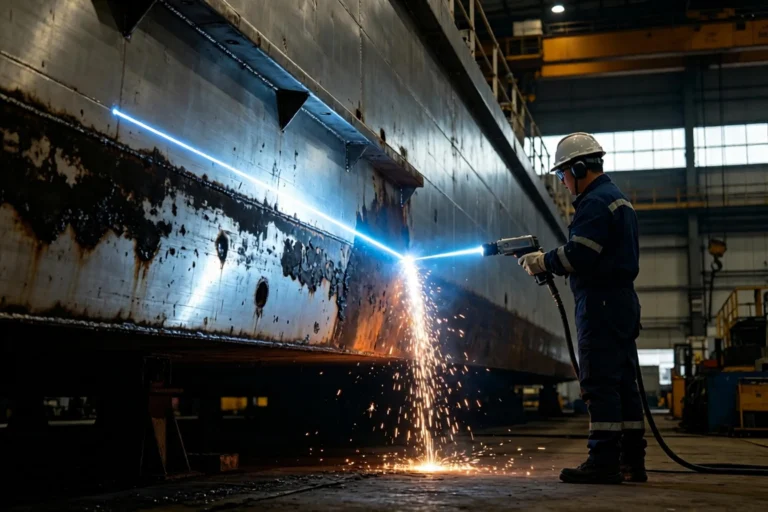
This CW fiber laser guide cuts through sandblasting waste, detailing high-throughput (15-20 m²/h) rust, epoxy, and mill scale removal on heavy steel—backed by real shipyard metrics, thermal physics, and proven ROI models.
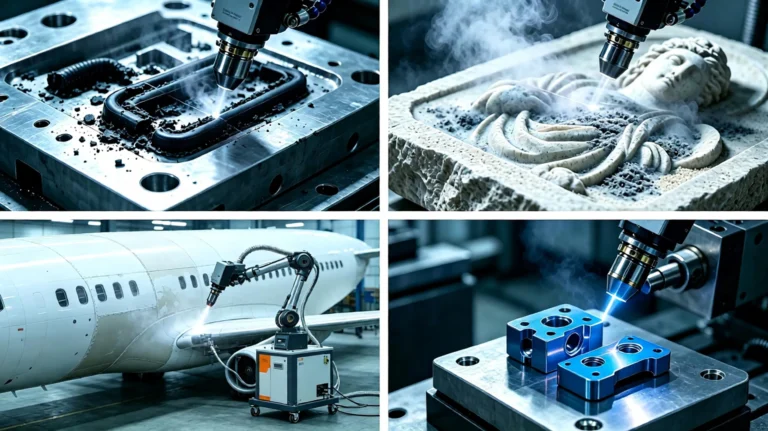
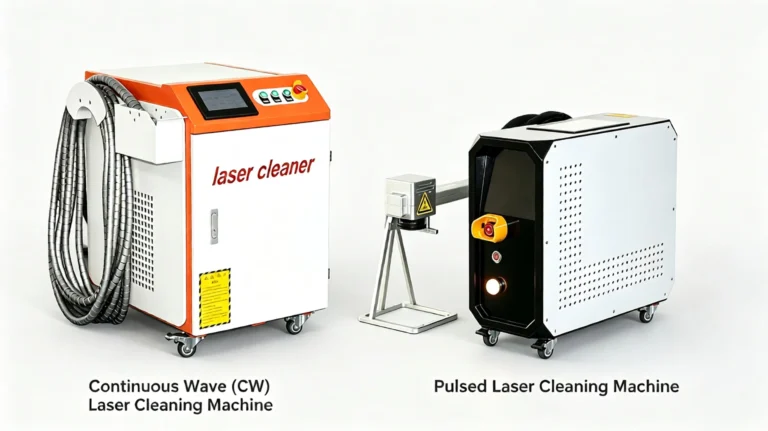
This guide contrasts compact nanosecond pulsed laser cleaners with high-power continuous wave (CW) systems. Discover the physical mechanics, application suitabilities, thermal boundary limits, and ROI metrics to optimize your material cleaning workflows.
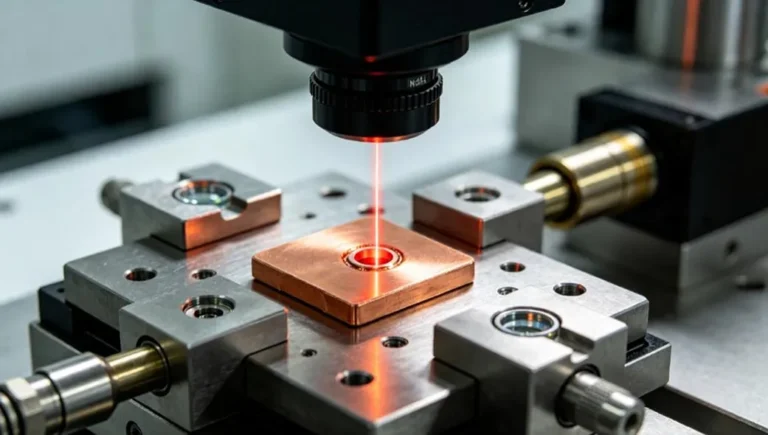
This article explores pulsed Nd:YAG laser welding technology, explaining its 1064 nm physics, thermal control mechanisms, and distinct operational advantages over continuous fiber lasers for heat-sensitive micro-components and mold restoration.
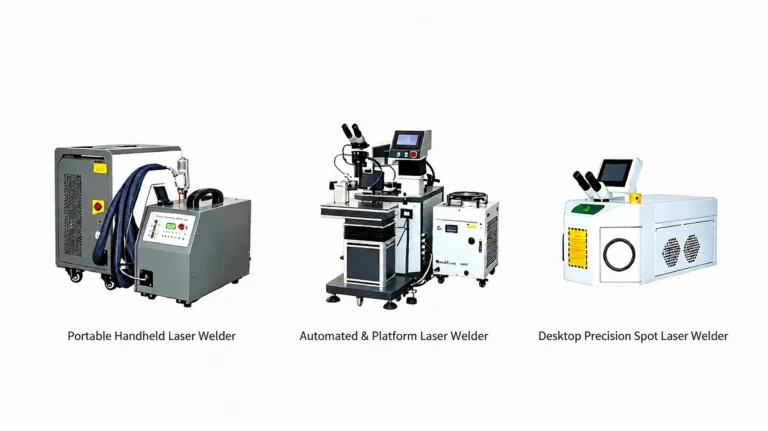
Compare Portable Handheld, Automated Platform, and Benchtop Precision laser welders to match your shop floor. Choose the ideal architecture based on workpiece dimensions, automation needs, operator ergonomics, and workshop safety constraints.
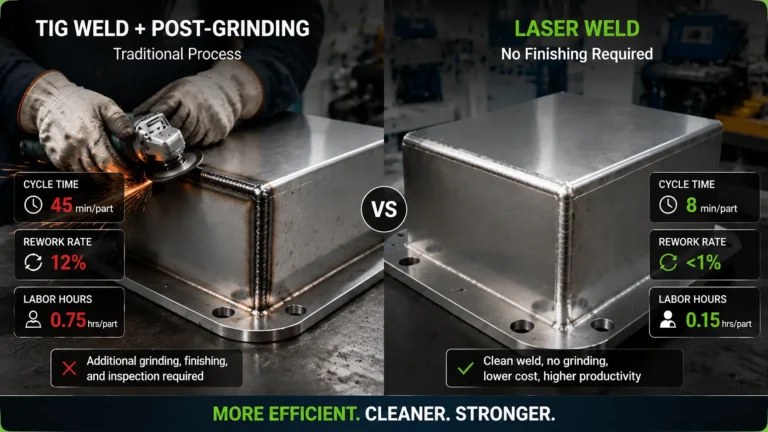
Discover how modern fiber laser welders replace legacy TIG/MIG systems. Learn how switching between conduction and deep penetration modes eliminates post-weld grinding, reduces heat distortion, and cuts total production cycle times.
Welcome to ONSlaser! Need assistance with material compatibility, technical parameters, or factory-direct pricing? Drop us a message, and our engineering team will respond shortly.