Premium Fiber Laser Marking Machines
High-precision industrial laser marker | Optional X-axis Translation Stage & Rotary Axis |For Permanent Metal Marking & Color Laser Engraving
Fiber Laser Working Principle
What is Fiber Laser?
A fiber laser is a solid-state laser known for a 1064 nm wavelength and high output power. Thanks to the incredibly high heat generated by the laser, it can easily and efficiently cut, engrave, mark, etch, and remove burrs from materials. Fiber lasers boast rapid production speed because of their high output and high heat. Not only that, these two features make fiber lasers the best option for metal processing.
How Does It Work?
01
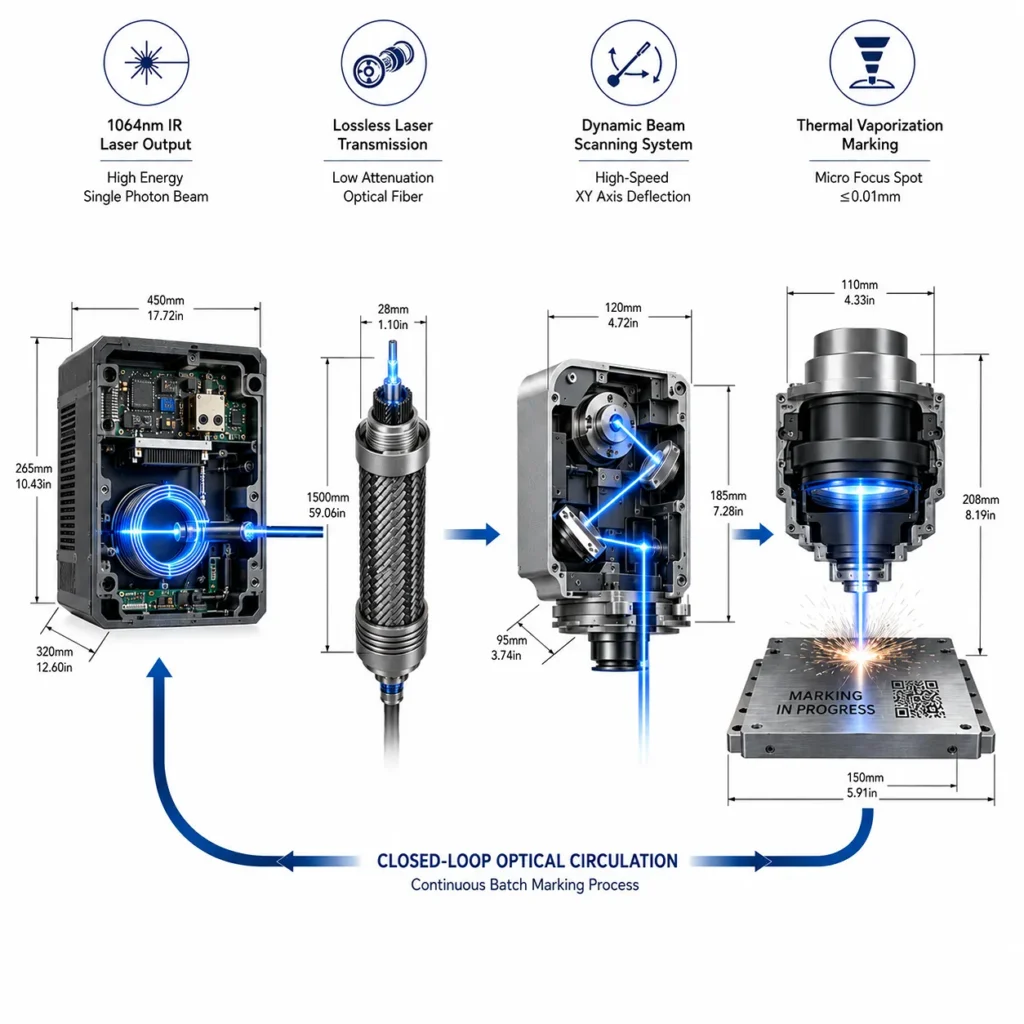
Laser Generation (Core Energy Source)
The ytterbium-doped fiber laser source generates stable 1064nm infrared laser. Pump light excites the gain medium inside fiber to amplify energy and form a concentrated high-energy laser beam, the fundamental light source for precision marking.
02
Laser Transmission & Pre-Focusing
Low-loss armored fiber cable delivers laser to marking head without beam offset. Internal lens assembly compresses the beam into tiny micrometer focal spot, laying the groundwork for ultra-fine engraving. Flexible fiber design supports split portable machine layout and production line integration.
03
Galvo Trajectory Scanning
Dual high-speed galvanometer mirrors inside the scan head deflect the focused laser spot freely. The system accurately traces preset texts, logos and QR codes with fully adjustable energy at every coordinate, delivering sharp, delicate patterns.
04
Laser-Material Thermal Marking
High-energy focused beam creates permanent surface changes on workpieces:
- Metals (Steel, Aluminum): Instant melting & vaporization forms wear-resistant, corrosion-proof recessed marks.
- Special Non-metals (ABS, Ceramic): Controlled oxidation produces high-contrast clear marking without surface damage.
Universal Benefits of Fiber Laser Technology
Precise, fast, and permanent laser marking on metal. Highly efficient, from single-piece to mass production.
- Permanent Marking Ensures Traceability
Laser marking provides exceptional resistance to wear, corrosion, heat, and chemical treatments. This durability guarantees that all 2D data matrix codes, serial numbers, and customized tracking patterns remain permanently tamper-proof and fully legible throughout the product’s entire operational lifecycle.
- Micro-Level Precision & High Contrast
Harnessing the extreme precision of focused fiber laser beams, this technology guarantees impeccable legibility even on microscopic details, 1-point fonts, and ultra-dense barcodes. This system consistently delivers flawless, sharp outlines with excellent high-contrast surface transitions.
- Modular Multi-Axis Automation Integration
Engineered with robust industrial-grade multi-axis control architectures, our marking systems offer seamless plug-and-play compatibility with dynamic rotary units, X-axis linear slide tables, or custom belt conveyors. This extreme versatility helps scale up high-volume automated batch manufacturing.
- Eco-Friendly & Cost-Effective Operation
This advanced non-contact process completely eliminates physical contact, mechanical stress, and surface deformation. Operating without expensive consumables like chemical inks or cutting blades, the eco-friendly digital configuration dramatically reduces processing time and post-treatment maintenance.
Marking Capabilities & Process Showcase
Standard Black & White Permanent Marking
General metal & hard plastic identification, serial coding, logo engraving, traceability marking
- Automotive parts, bearings, valves and hardware tools
- Electronic components, connectors, PCB accessories
- Molds, cutting tools, aluminum panels and nameplates
- Medical stainless steel instruments and sanitary fittings
MOPA Color Marking for Stainless Steel & Titanium
For applications requiring greater pulse control and color marking, ONSLASER MOPA fiber laser marking systems provide an extended range of marking effects on compatible metals such as stainless steel and titanium.
- Stainless steel ornaments, jewelry, watch frames and watch bands
- Luxury kitchenware, stainless steel tableware and bathroom fittings
- High-end 3C metal shells, audio panels and gift metal crafts
- Titanium alloy custom crafts and personalized metal gifts
Automation & Rotary Marking Solutions
Extended field-of-view and multi-dimensional marking using optional motion axes.
- Extended Worktable/X-axis Translation Stage: Continuous, step-free marking on extra-long aluminum extrusions, seamless pipes, massive steel plates, and high-density multi-part tray matrices.
- Rotary Axis: 360° indexing or continuous marking on round bars, shafts, hydraulic tubes, industrial pipes, metal rings, and round hardware.
Fiber Laser vs. CO₂ Laser vs. UV laser
Which Laser Technology Fits Your Business?
| Comparison Item | Fiber Laser Marker | CO2 Laser Marker | UV Laser Marker |
|---|---|---|---|
| Core Wavelength | 1064nm Infrared | 10.6μm Infrared | 355nm Ultraviolet Cold Laser |
| Primary Materials | Metals (stainless steel, aluminum, titanium), coated/hard plastics | Wood, acrylic, leather, fabric, paper, non-metals | PCB, precision plastics, glass, fragile micro-components |
| Core Features | High precision, metal color marking, deep engraving, 80,000+ hrs long life, fast speed | Great non-metal surface effect, large marking area | Cold processing, minimal thermal damage, ultra-fine micro marking |
| Main Limitations | Not suitable for pure wood, acrylic, glass & soft organic materials | Cannot mark bare metal directly, no color metal marking, shorter lifespan | High cost, slow speed, not for heavy deep metal engraving |
| Best Application | Industrial permanent metal marking, traceability, premium color branding | Crafts, gifts, packaging, non-metal engraving | Ultra-fine marking for precision electronics & delicate parts |
| Cost Performance | ★★★★★ (Mass metal production) | ★★★☆☆ (Non-metal only) | ★★☆☆☆ (High-end micro processing only) |
ONSLASER™ Specifications & Custom Selection Guide
All ONSlaser fiber laser marking machines support custom appearance, size, marking area, travel length, accessories, voltage and automatic solutions to fit your unique production needs.
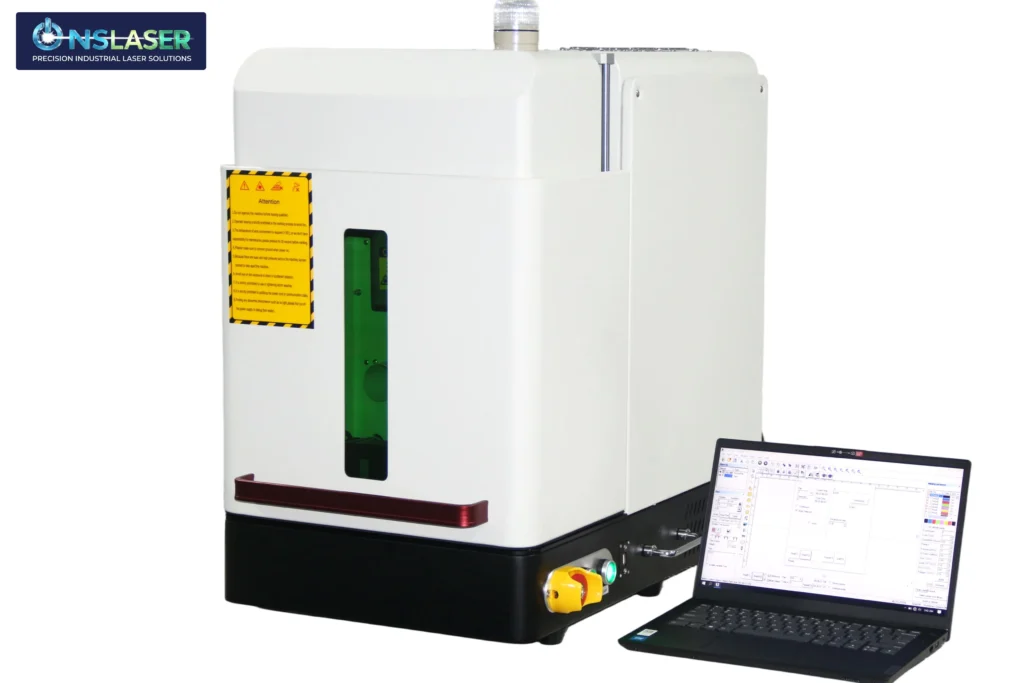
Class 1 Laser Safety: Fully enclosed cabinet design with dust and radiation protection.
High Precision: Ideal for fine marking on jewelry, 3C electronics, and medical devices.
Full Enclosed Safety Marking System
| Feature | Parameter |
|---|---|
| Power | 20W/30W/50W/100W |
| Scope of marking | 110*110mm |
| Instability of energy | <2% |
| Noise | ≤60db |
| Machine size and weight | 750*560*800mm,65kg |
| Continue working time | 16hours |
| Software configuration | Multi-language EzCad |
| Optional | Rotary Axis/Extended Translation Table/X-axis Translation Stage |
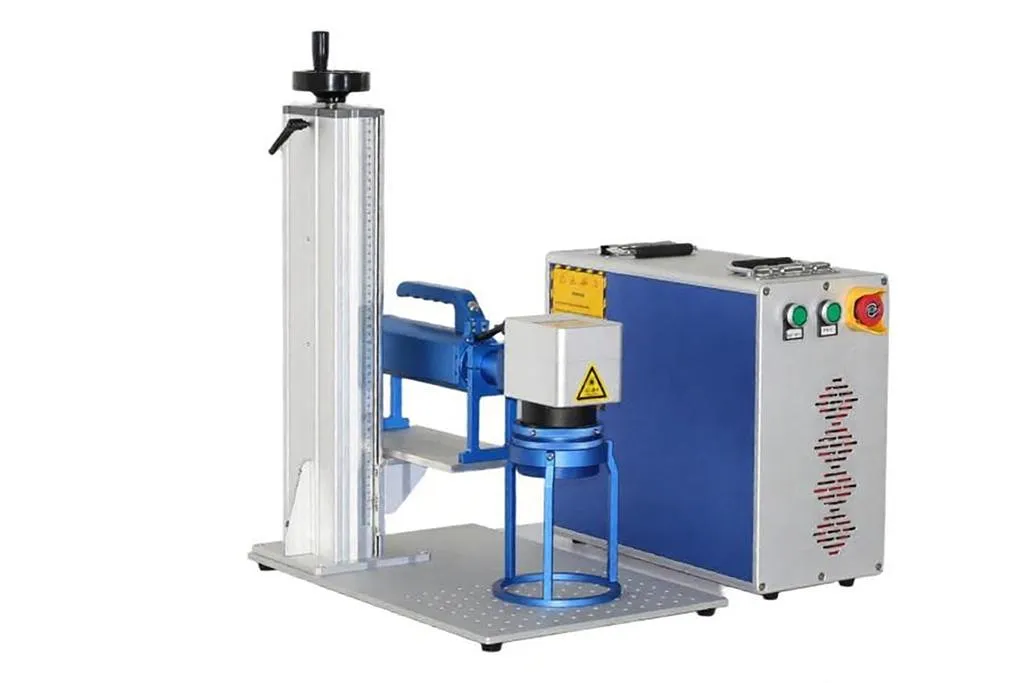
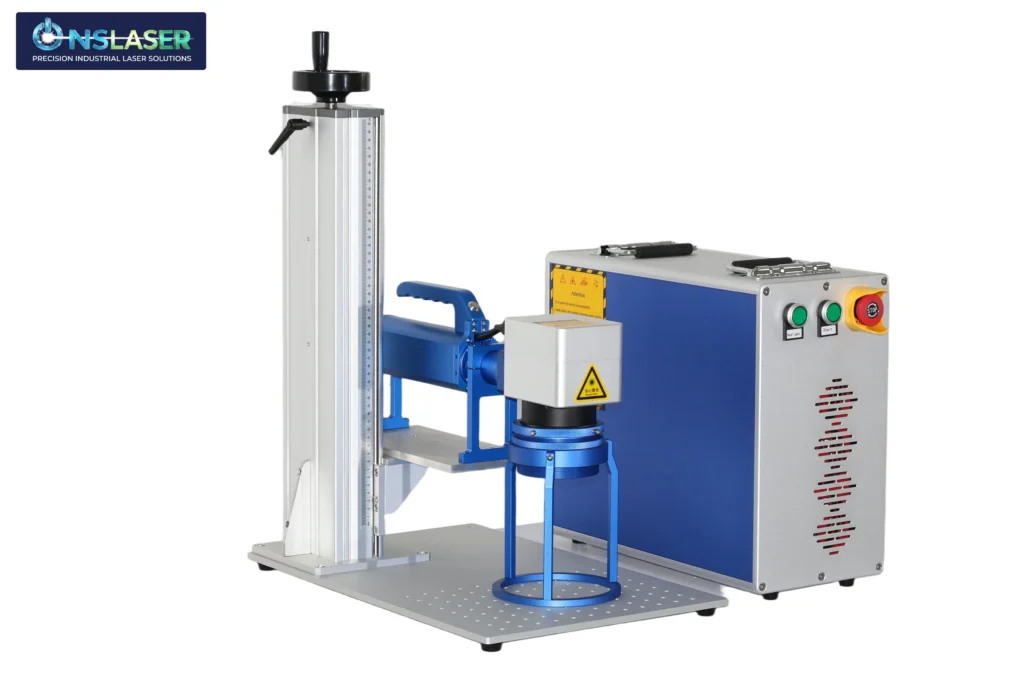
Flexible Marking: Split portable design with no size limits, ideal for oversized workpieces and line integration.
Versatile Application: On-site marking for large molds, heavy pipes, auto parts, and field processing.
Split Portable Fiber Marking System
| Feature | Parameter |
|---|---|
| Power | 30W/50W/100W |
| Scope of marking | 110*110mm |
| Instability of energy | <2% |
| Noise | ≤60db |
| Machine size and weight | 650*700*660mm,50kg |
| Continue working time | 16hours |
| Software configuration | Multi-language EzCad |
| Optional | Rotary Axis/Extended Translation Table/X-axis Translation Stage |
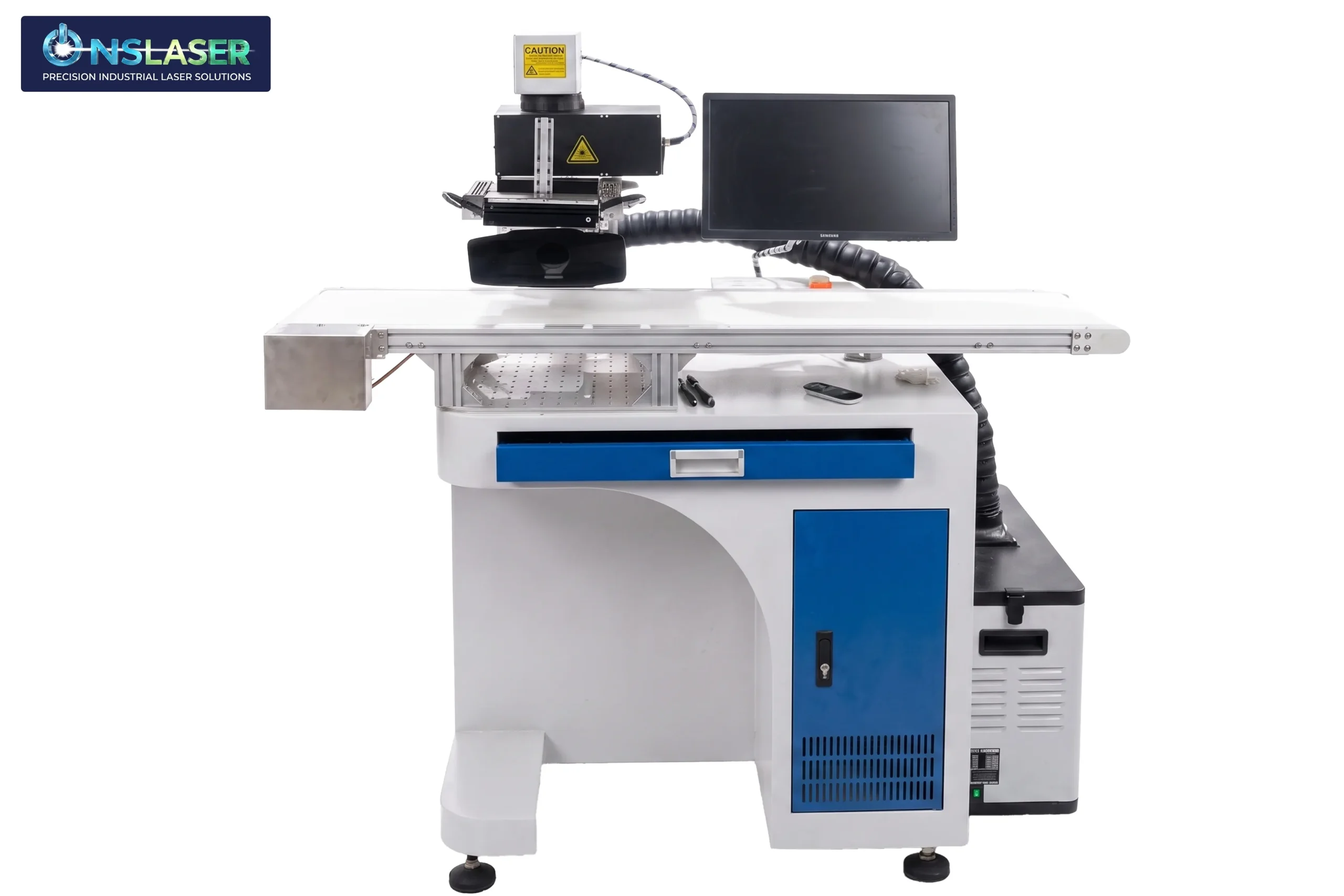
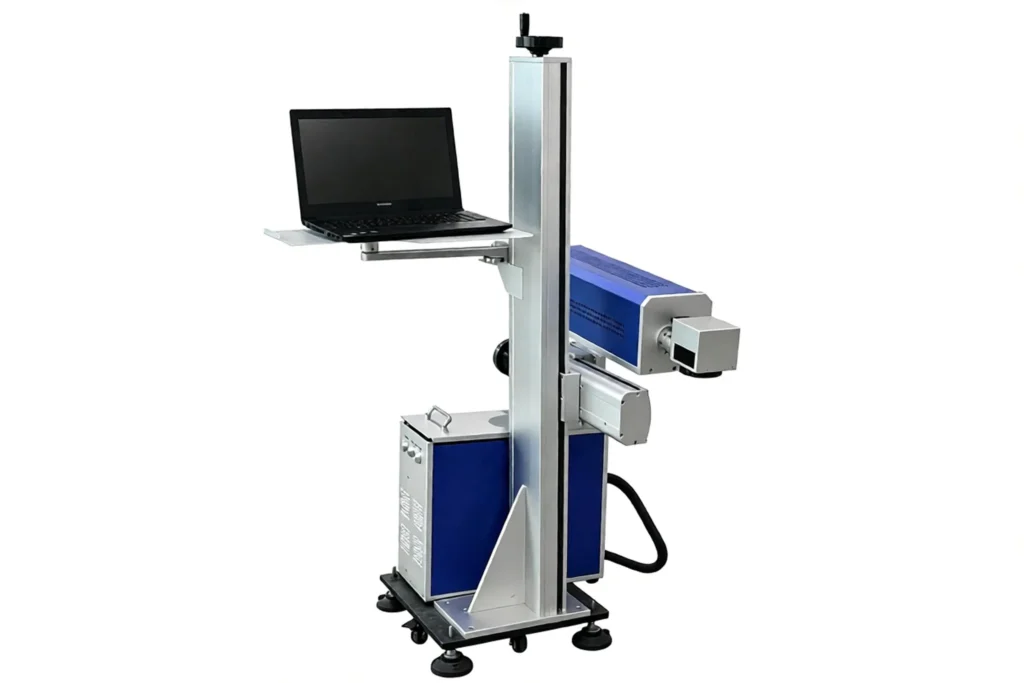
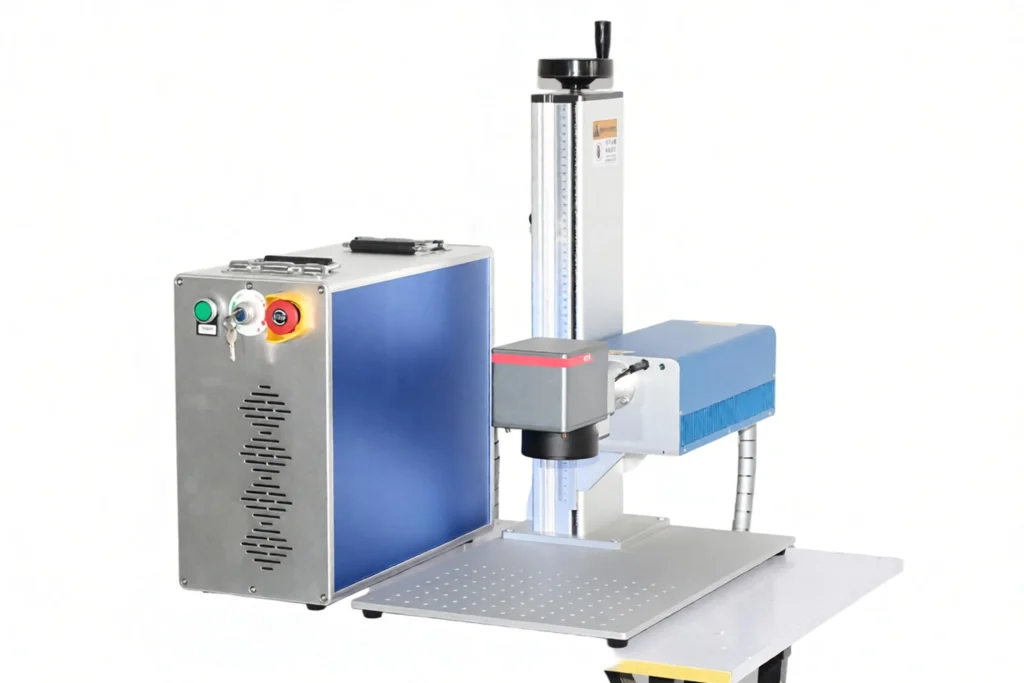
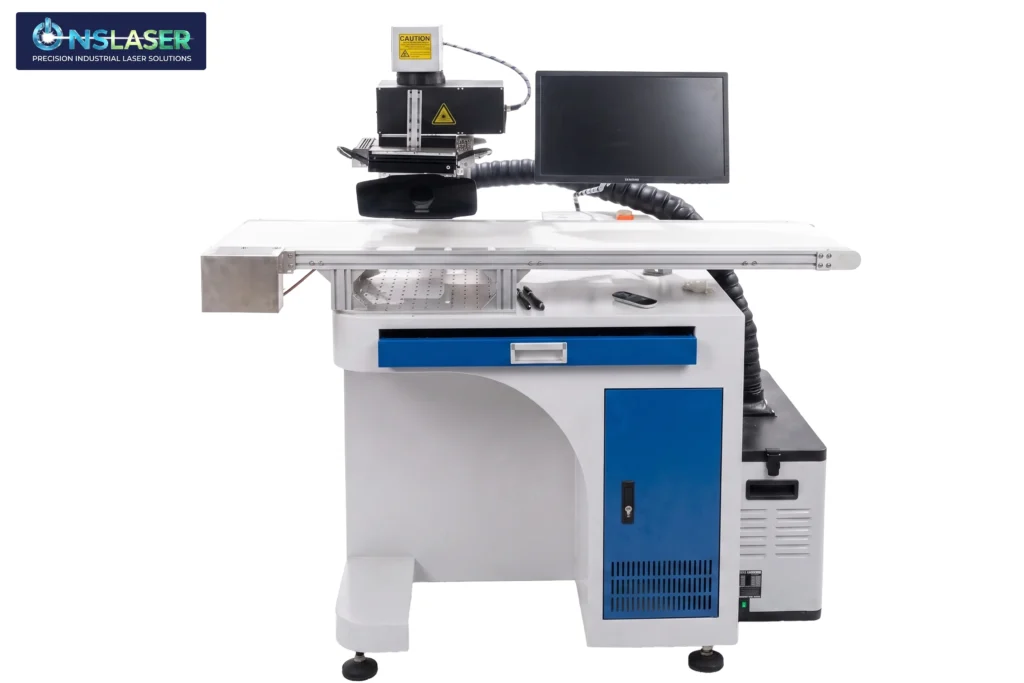
Compact & Scalable: Desktop footprint with easy setup; supports extended translation tables for long profiles.
24/7 Batch Processing: Stable continuous operation for general hardware, nameplates, and metal sheets.
Table Desktop Fiber Marking System
| Feature | Parameter |
|---|---|
| Power | 50W/100W |
| Scope of marking | customized |
| Instability of energy | <2% |
| Noise | ≤60db |
| Continue working time | 16hours |
| Software configuration | Multi-language EzCad |
| Optional | Rotary Axis/Extended Translation Table/X-axis Translation Stage |
Industry Applications: Tailored Fiber Laser Solutions
Discover how ONSlaser Fiber Laser Marking Systems meet the stringent compliance, durability, and speed requirements across global manufacturing sectors.
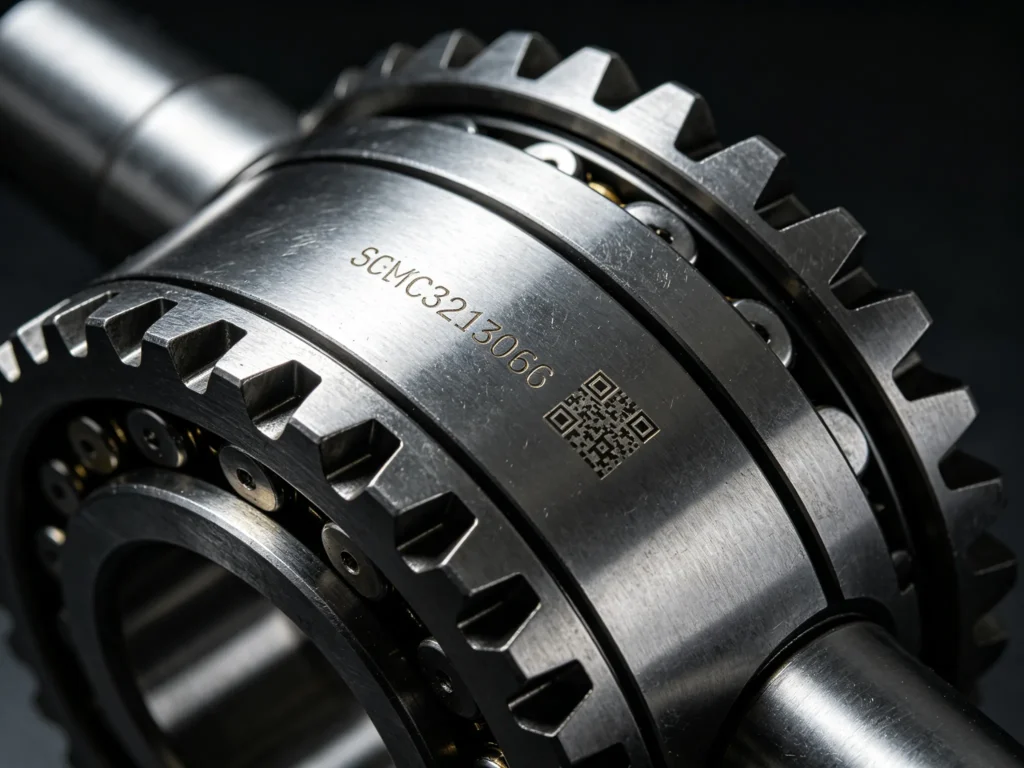
Mechanical Engineering | Heavy-Duty & Permanent Marking
Core Need: High wear resistance against oil, friction, and extreme thermal conditions.
Solution: Deep engraving and high-contrast marking on hardened steel, cast iron, and alloys. Ensures lifelong traceability for gears, bearings, and heavy equipment tags.
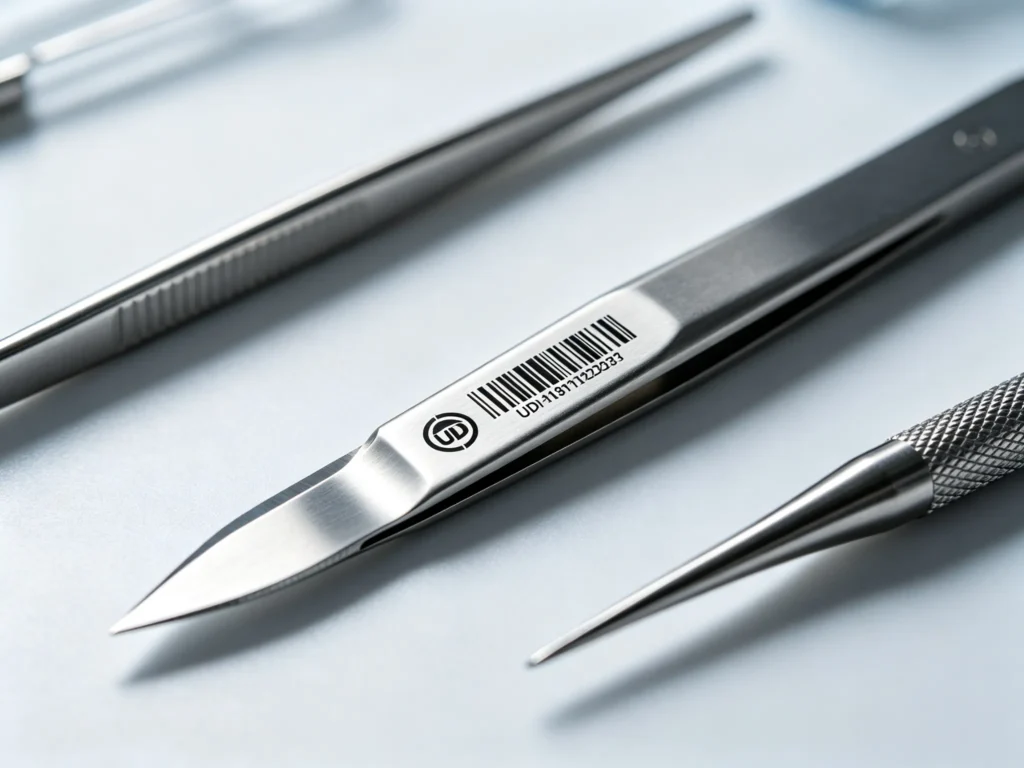
Medical Technology | Precise, Safe, & UDI-Compliant Marking
Core Need: Corrosion-resistant, non-toxic, and smooth surface finish.
Solution: Passivatable black marking (annealing) on stainless steel surgical tools, implants, and medical devices. Fully compliant with Unique Device Identification (UDI) strict standards without damaging material integrity.
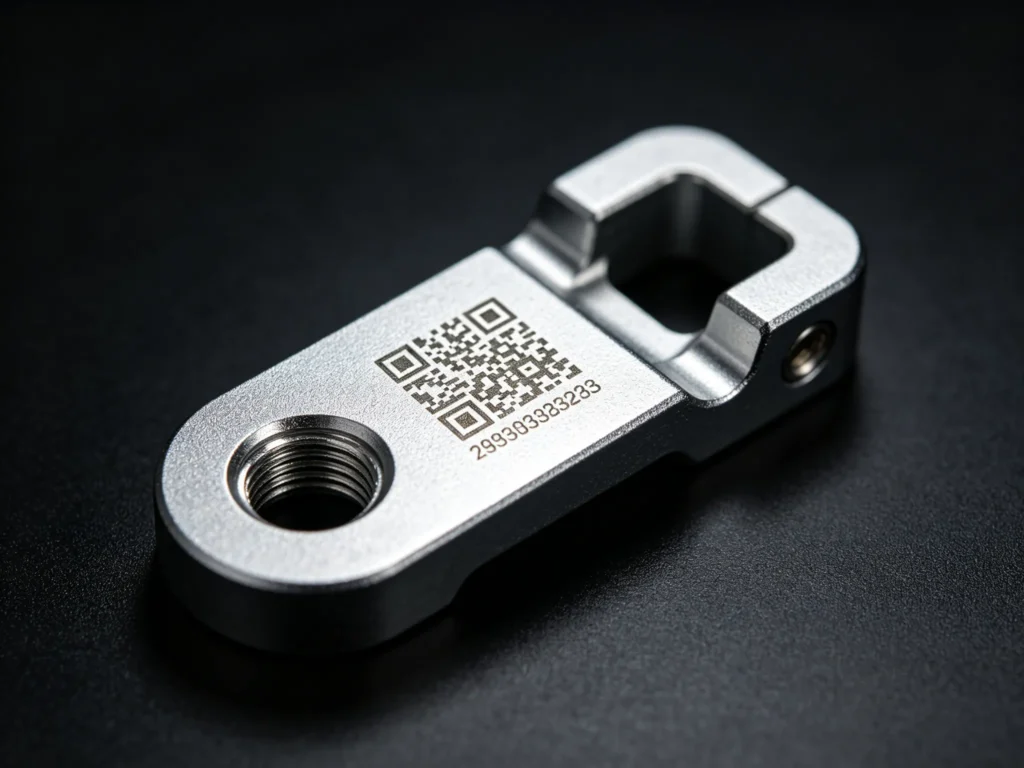
Automotive Industry | High-Throughput & Cost-Effective Integration
Core Need: 24/7 high-speed production line integration with 100% barcode readability.
Solution: Fast DataMatrix and VIN marking on engine blocks, brake pads, and aluminum components. Designed for high-volume MOTF (Mark-on-the-Fly) automated lines to lower per-unit production cost.
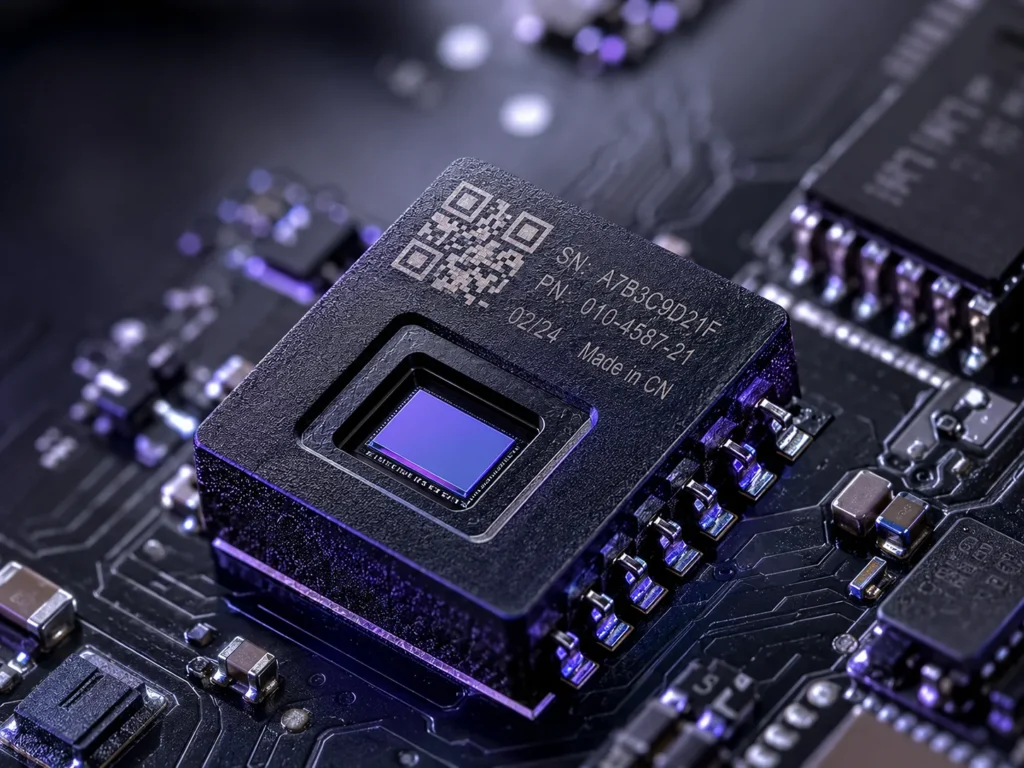
Electronics & Sensors | High-Precision & Thermal-Safe Manufacturing
Core Need: High-contrast marking on engineered plastics and smooth color/black text on anodized metal casings without melting or surface damage.
Solution: High-precision marking for ABS/PC enclosures, chargers, illuminated buttons, and anodized aluminum casings. Delivers crisp micro-QR codes, serial numbers, and logos with zero thermal deformation.
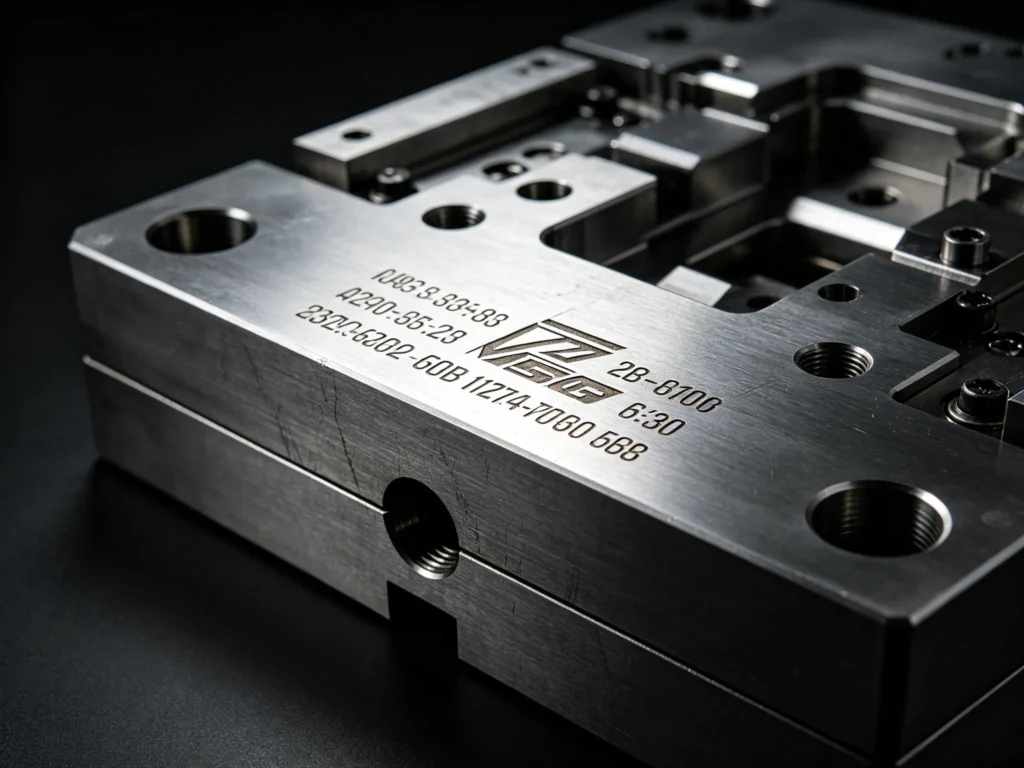
Tool & Die Making | Flexible & Stress-Resistant Deep Engraving
Core Need: Permanent identification on tough, heat-treated tool steels and injection molds.
Solution: Flexible depth control for carbide tools, milling cutters, and steel molds. Marks remain intact even after extensive usage, heavy wear, or re-grinding processes.
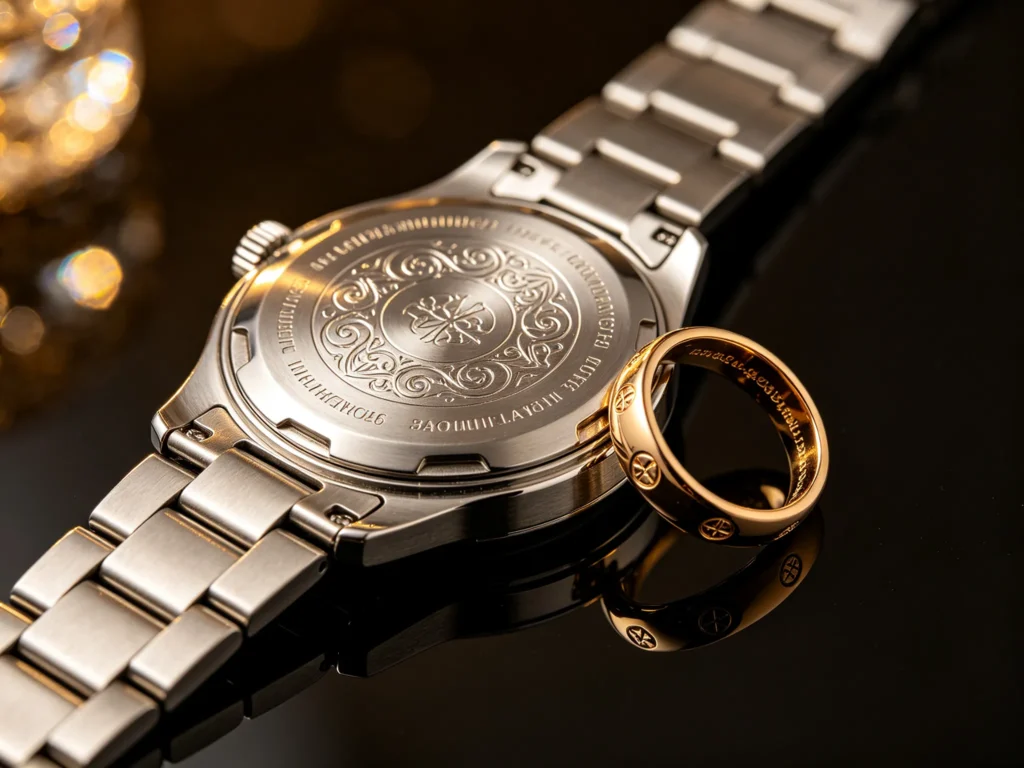
Jewelry & Precious Metals | Ultra-Fine Detail & Zero Material Waste
Core Need: Sub-micron precision with minimal metal loss on gold, silver, and platinum.
Solution: Delicate hallmarks, personalized micro-engraving, and sharp vector graphics on rings, pendants, and luxury watches without post-processing cleanup.
How to Choose the Right Fiber Laser Marking Machine
Follow our 3-step guide to select the ideal laser source, machine frame, and custom accessories for your production line.
- Step 1: Select the Suitable Laser Power & Source Type
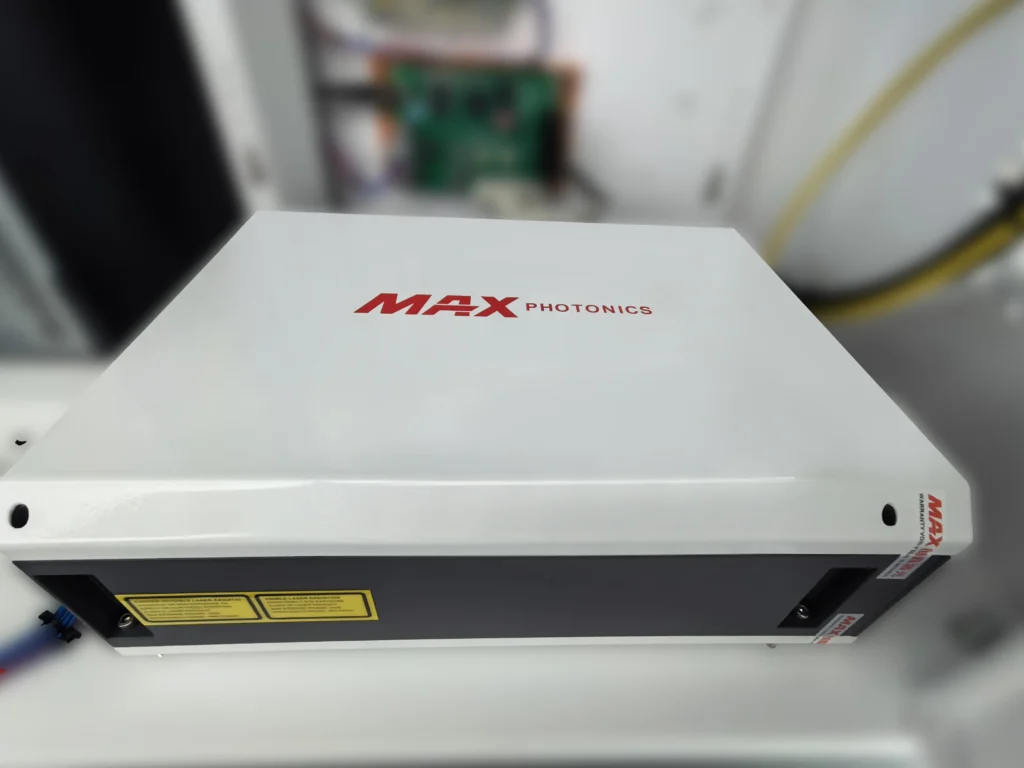
Industrial Laser Source
20W - 30W
Best For: Surface marking, serial numbers, barcodes, 2D QR codes, and lightweight metal engraving.
Target Materials: Stainless steel, brass, copper, aluminum, and compatible industrial plastics.
Key Advantage: Most cost-effective choice for standard industrial traceability.
50W - 100W
Best For: Deep metal engraving, high-volume marking, and demanding industrial applications.
Target Materials: Heavy-duty steel, mold steel, cast iron, and reflective metal alloys.
Key Advantage:Higher power supports faster processing and deeper engraving for demanding industrial applications.
20W - 60W MOPA (JPT)
Best For: precision marking on compatible plastics with reduced heat impact.
Target Materials: Anodized aluminum, stainless steel, medical alloys, ABS, and sensitive polymers.
Key Advantage: Adjustable pulse-width control enables greater process flexibility and helps reduce heat impact on sensitive surfaces.
- step2:Choose Machine Form Factor
Enclosed Cabinet Type
Best Choice For: Production lines or workshops requiring strict safety compliance, dust extraction, and high-precision fine marking.
Key Decision Factor: Choose this if safety, cleanliness, and Class 1 laser compliance are your top priorities.
Split / Handheld Type
Best Choice For: Marking oversized, heavy, or immovable metal components, large molds, and pipes.
Key Decision Factor: Choose this if you need ultimate portability and no physical workpiece size constraints.
Desktop Type
Best Choice For: Standard workshops, hardware traceability, and multi-piece batch marking with optional extended worktables.
Key Decision Factor: Choose this if you want the cost-effective solution for standard and medium-long profile marking.
- step3:Add Optional Accessories
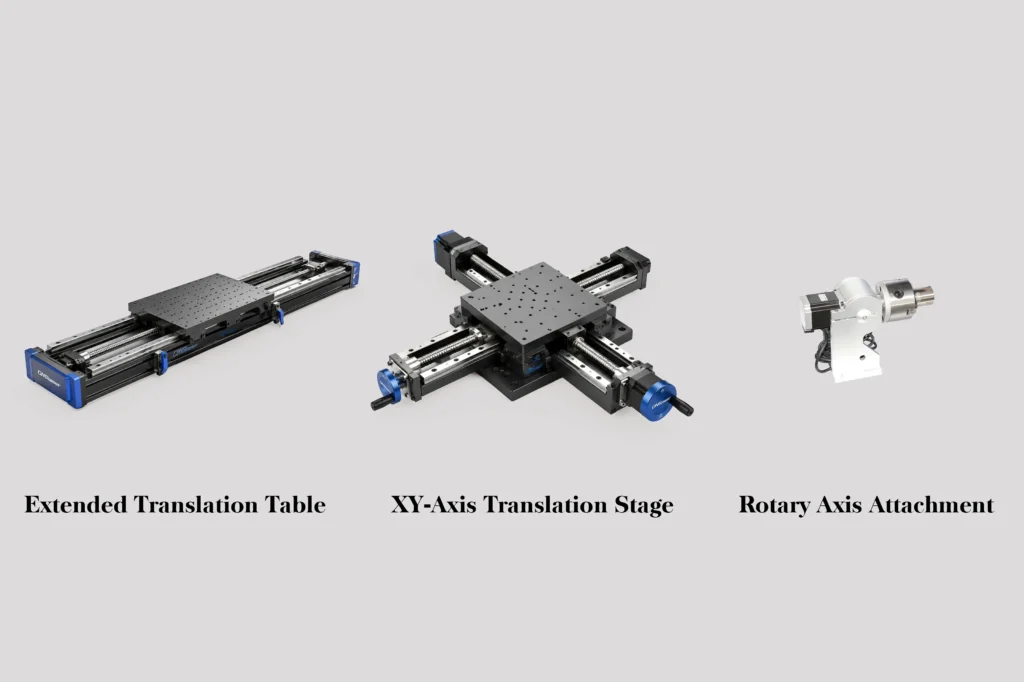
Scale your production flexibility with precision-engineered accessories designed for complex geometries and automated workflows.
- Extended Translation Table: Expands horizontal working stroke for smooth positioning of long sheets and aluminum extrusions.
XY-Axis Translation Stage: Motorized two-axis precision positioning for high-accuracy batch array and multi-part marking.
Rotary Axis Attachment: Rotary positioning for cylindrical and curved parts such as bottles, rings, tubes, and round components.
Installation & Operation Guide
Pre-installed & Pre-configured Delivery
Multi-layer Safety Protection
Dual Control Mode (Keyboard / Foot Pedal)
01
Power Connection & Self-Check
02
Parameter Setting & Positioning
03
Dual-Mode Marking Operation
04
Cleaning & Daily Maintenance
Free remote software training & 24/7 online technical support
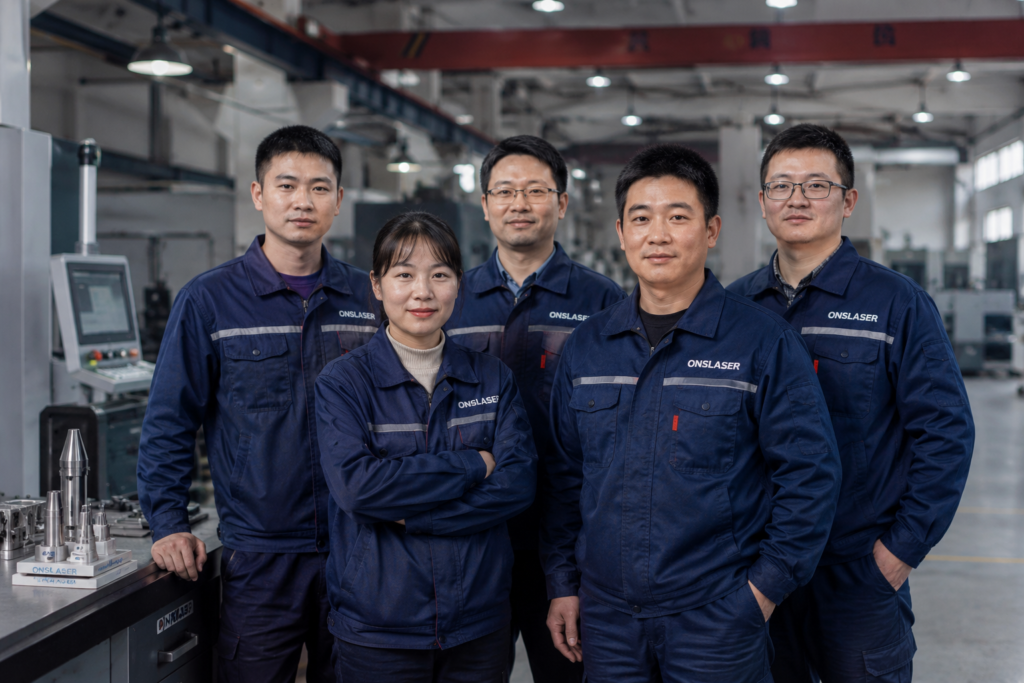
ONSLASER Core Advantage
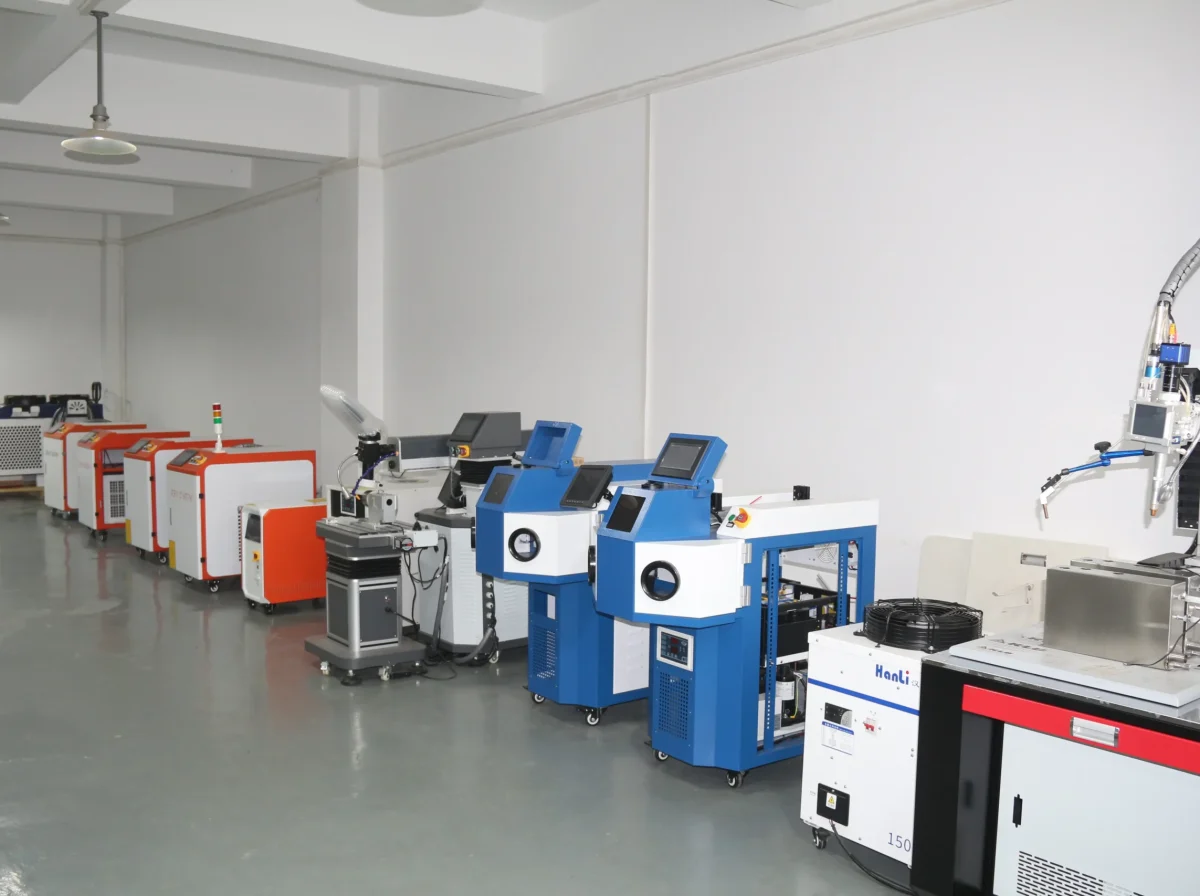
Direct Factory Pricing & Customization
As an original equipment manufacturer (OEM/ODM), we deliver industrial-grade laser marking machines directly from our production line. Our OEM services include customized chassis and branding, as well as flexible hardware/software configuration options tailored to your workflow. You get superior quality, zero middleman markups, and highly competitive prices.
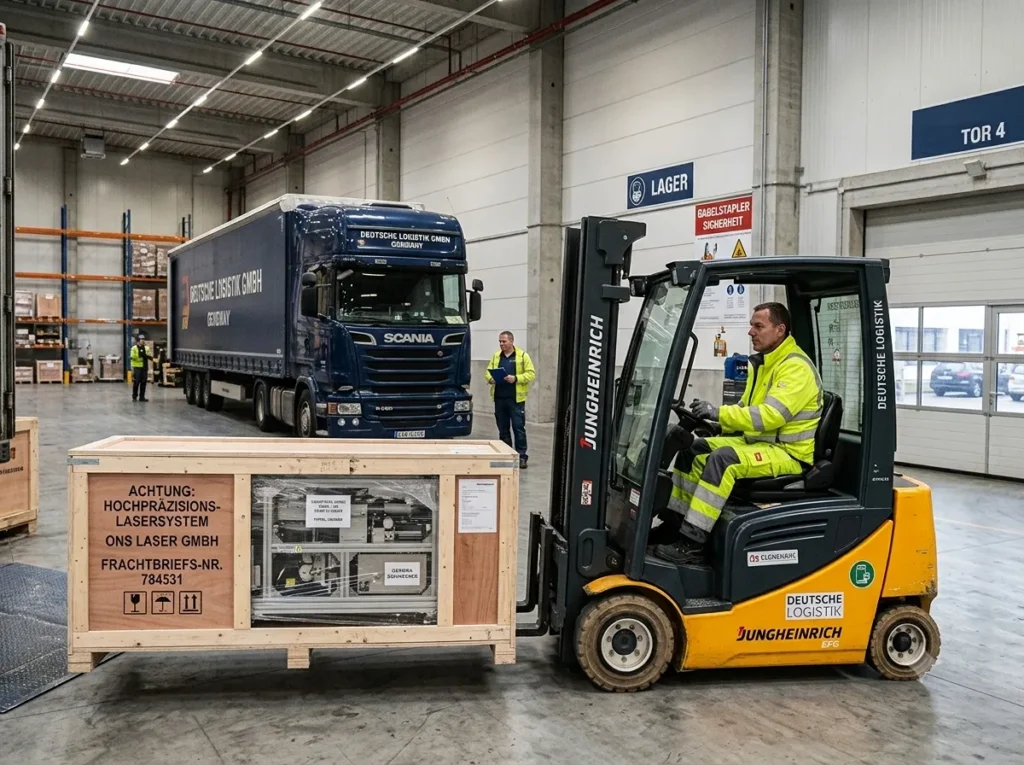
Local German Warehouse & Sample Testing
Visit our local German warehouse and showroom for live demonstrations and hands-on machine evaluation.
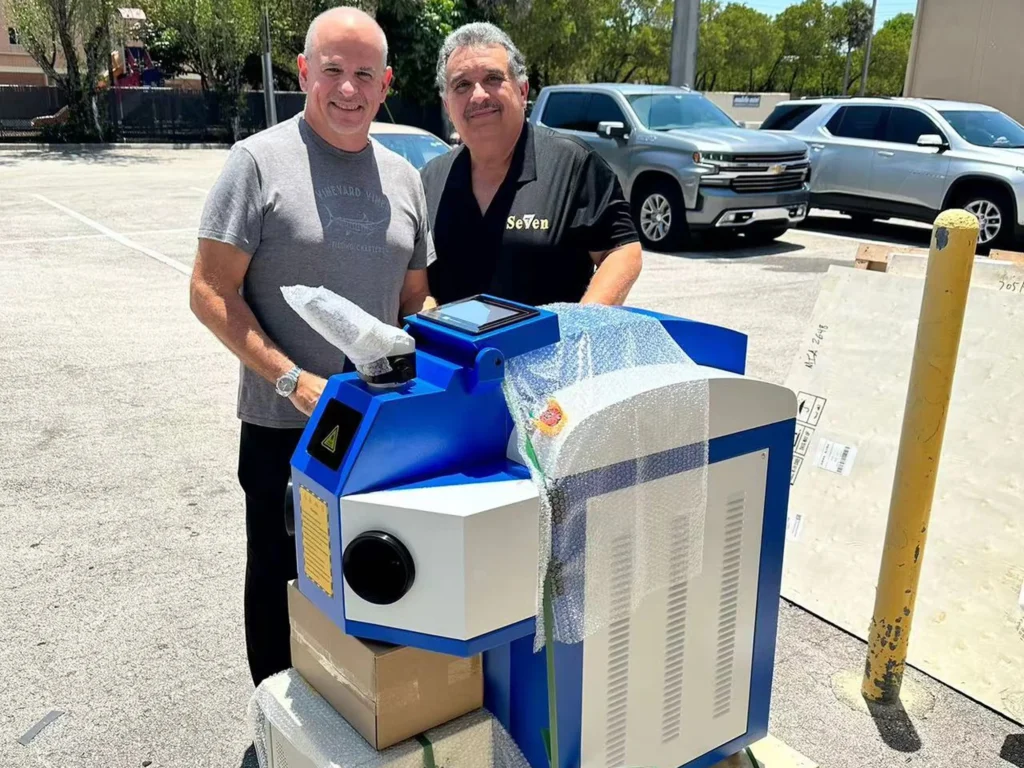
100% Pre-Assembled & Factory Calibrated
Every system is fully assembled, optical-path calibrated, and marking-tested before shipment. Key functions and marking performance are verified in advance, reducing setup time and allowing faster commissioning for your marking applications.
Ready to Get Your Custom Configuration & Factory Direct Price?
Click the button on the right and fill out the form. ONSLASER’s sales team will reply to you within 2 hours during business hours.
FAQ
Frequently Asked Questions about Fiber Laser Marking Machines
Q:What are the main limitations of color laser marking on metals?
A: Color marking requires precise control of laser parameters and is primarily achieved with MOPA fiber laser systems. Results depend on the material, surface condition, pulse settings, and desired color. Stainless steel and titanium are commonly used for color marking, while results on copper, carbon steel, aluminum, and other metals can vary significantly. Standard fiber lasers are better suited to conventional permanent marking and engraving rather than controlled color marking.
Q: Does the machine support multi-language EZCAD software and different power standards?
A: Yes. ONSLASER fiber laser marking machines support multi-language EZCAD software and can be configured for different regional power requirements. Available voltage and plug configurations depend on the machine model and destination. Please confirm your destination country when requesting a quotation so we can recommend the appropriate configuration.
Q: Can the fiber laser marking system integrate with rotary axes and motion platforms?
A: Yes. Depending on the machine configuration, the system can support rotary axes, translation stages, and other motion accessories for cylindrical parts, extended workpieces, and automated marking applications. Tell us your workpiece size and marking requirements so we can recommend the appropriate motion-control configuration.**
Q: Is EZCAD marking software included with the machine?
A: Yes. EZCAD marking software is supplied with the machine and does not require a recurring subscription fee for normal use. Our technical team also provides remote assistance with software installation, basic parameter setup, and troubleshooting.
Q: Can I request a free sample marking test before ordering?
A: Yes. Send us your material samples, drawings, or marking requirements, and our engineers can perform a sample marking test for evaluation before you place an order.
Q:Do you support OEM & ODM customization?
A: Yes. We support OEM and ODM customization, including machine appearance, branding, logo, software settings, and application-specific parameter configurations for distributors and brand customers.
Get Your Free Custom Quote & Datasheet
Please fill in the details below, our sales team will reply within 24 hours with a customized quotation and specification sheet.
Useful insights on laser marking methods
Want to learn more about laser marking machines before investing? Explore everything you need to know about laser marking in this guide.
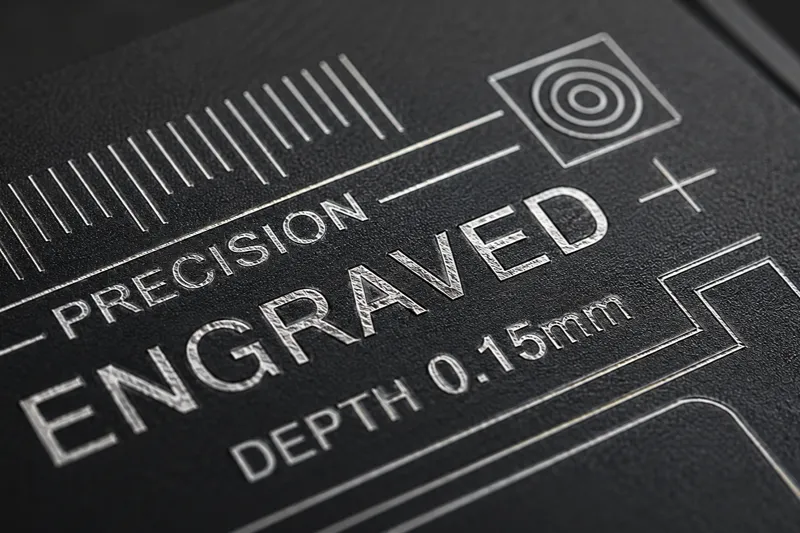
Working Principle and Applications of Fiber Laser Marking Machines
Discover how a fiber laser operates as a precise “optical knife.” Learn the 4-step working principle and see how it revolutionizes branding, DPM serialization, and high-value jewelry engraving with zero consumables.
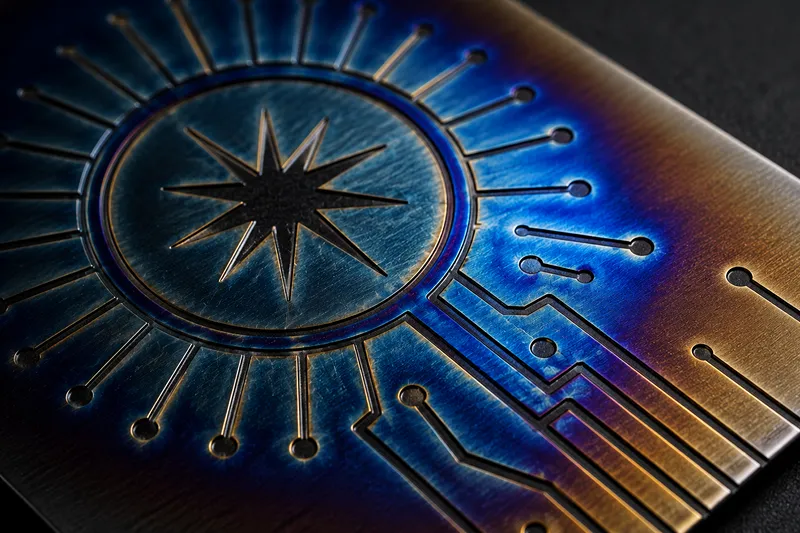
MOPA Laser Pulse Width Regulation (Stainless Steel Coloration)
Ready to eliminate messy inks and chemical etching? Discover how MOPA laser pulse width regulation unlocks permanent, vibrant structural coloration on stainless steel, and how to master parameter calibration on your line.