Industrial CO₂ Laser Marking Machines
High-Speed, Precision Non-Metal Marking & Engraving Solutions for Wood, Acrylic, Leather, DIY Gifts, Glass & Packaging.
CO₂ Laser Working Principle
co2 laser markers use a lasing medium composed of carbon dioxide, nitrogen, hydrogen, and helium.they produce invisible lasers in the far infrared light spectrum range,which makes them ideal for marking organic,materials, including wood,paper, resins,rubber, and transparent materials like glass and pet.
What is a CO₂ Laser?
CO2 laser marking systems utilize a sealed carbon dioxide gas mixture as the active laser medium (emitting at a 10.6 µm wavelength). When excited by high-voltage electrical energy, gas molecules release an intense far-infrared laser beam.
When the 10.6 µm laser beam impacts non-metallic substrates, the surface material rapidly absorbs thermal energy, triggering precise physical and chemical reactions:
Working Principle: The 4-Step Fusion Process
01
Vaporization & Etching
On acrylic, paper, and glass, the intense thermal energy instantly vaporizes surface material layers or induces controlled micro-fracturing. This process yields smooth, frosted, or precise vector markings without affecting structural integrity.
02
Thermal Carbonization
On organic substrates like wood, bamboo, and leather, the laser triggers localized micro-combustion. This controlled heat reaction causes natural dark carbonization, producing sharp, permanent, high-contrast text and graphic patterns.
03
Color-Change Marking
On coated surfaces, painted metals, and specific polymers, laser energy selectively strips the top layer or alters the molecular dye structure. This exposes the underlying substrate tone to achieve high-visibility contrast without deep engraving.
04
Plastic Foaming & Melting
On engineering plastics, dark PVC, and synthetic rubber, localized heat creates microscopic gas bubbles within the surface polymer. This produces raised, tactile, and highly legible alphanumeric codes or serial numbers.
CO₂ Laser vs. Fiber Laser vs. UV laser
Which Laser Technology Fits Your Business?
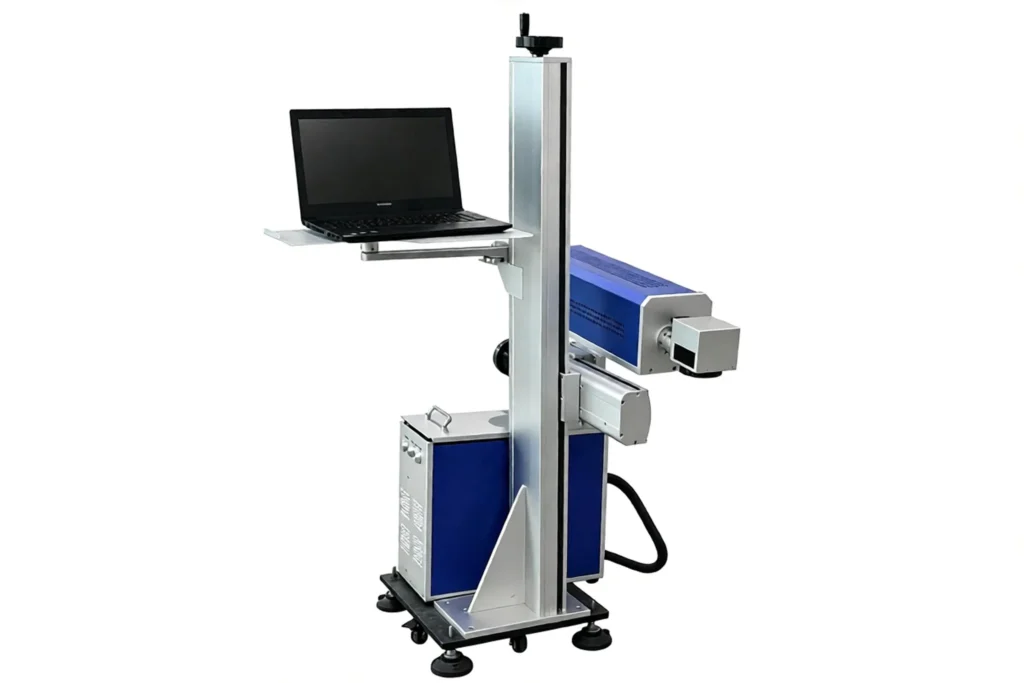
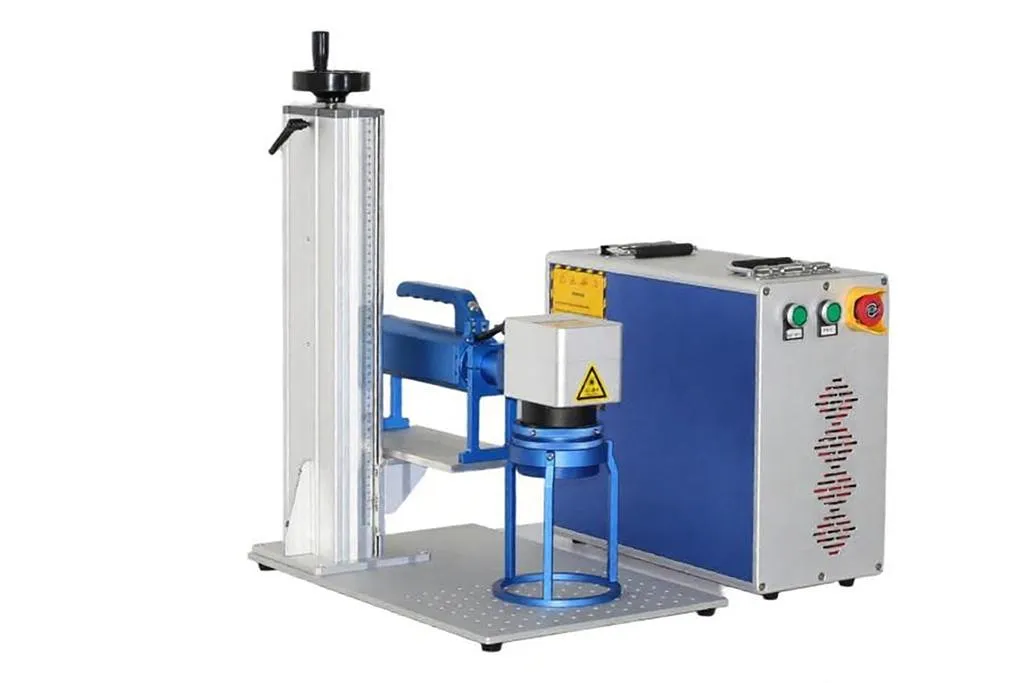
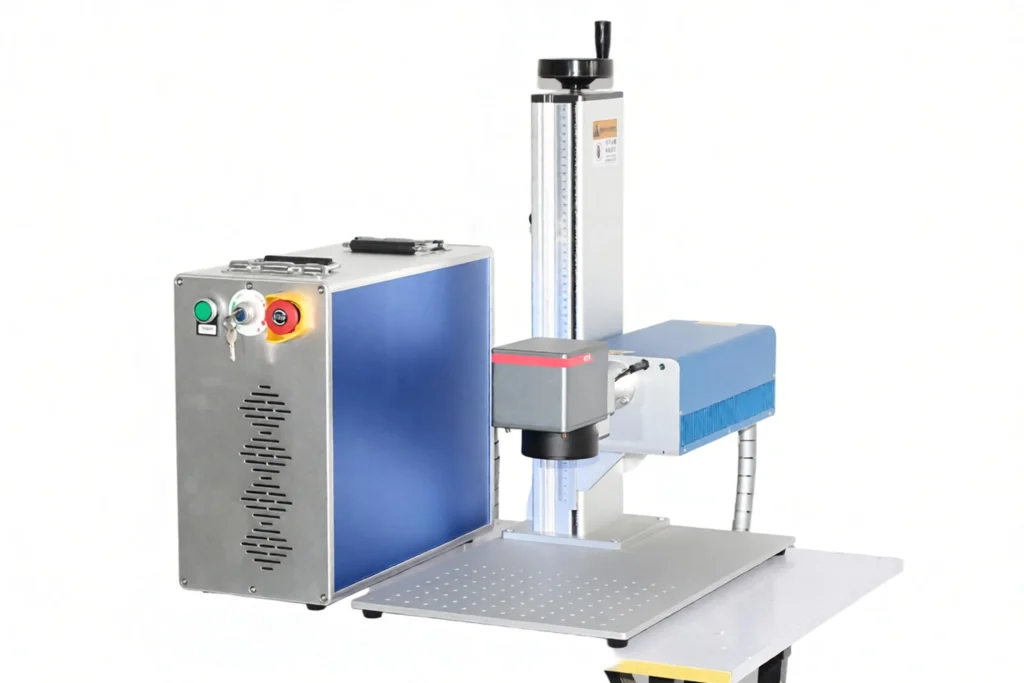
| Feature & Parameter | CO₂ Laser Marking Machine | Fiber Laser Marking Machine | UV Laser Marking Machine |
|---|---|---|---|
| Laser Wavelength | 10.6 μm / 9.3 μm (CO₂ Laser) | 1064 nm (Fiber Laser) | 355 nm (UV Laser) |
| Typical Materials | Wood, paper, cardboard, leather, acrylic, rubber, glass and many organic/non-metallic materials | Stainless steel, aluminum, brass, copper and many other metals; also suitable for selected engineering plastics | Plastics, glass, ceramics, PCB materials and other applications requiring fine marking with reduced heat input |
| Typical Marking Effect | Surface marking, engraving, cutting or localized thermal material removal depending on material and parameters | High-contrast metal marking, annealing on suitable metals, surface marking and engraving | Fine-detail marking based on short-wavelength processing with reduced heat-affected area |
| Processing Strength | Strong compatibility with many non-metallic and organic materials; suitable for both marking and engraving applications | Strong choice for industrial metal identification, traceability and engraving | Well suited to fine features, sensitive materials and precision marking applications |
| Best-Fit Applications | Wood products, packaging, paper boxes, acrylic products, leather goods, glass marking and consumer products | Metal parts, nameplates, tools, automotive components, electronics housings and industrial traceability | Electronics, PCB components, precision plastics, glass products, medical-device components and fine identification |
| Key Selection Factor | Best when your production is primarily focused on non-metallic or organic materials | Best when metal marking and industrial traceability are the primary requirements | Best when fine detail and lower heat input are important for the application |
Why CO₂ Laser Marking Excels on Non-Metallic Materials
High 10.6 µm wavelength absorption engineered specifically for wood, leather, acrylic, packaging, and organics.
Broad Non-Metal Compatibility
The 10.6 μm wavelength is efficiently absorbed by many materials such as wood, leather, rubber, paper, cardboard, and selected plastics, supporting reliable marking and engraving across a wide range of applications.
Flexible Marking & Engraving
CO₂ laser systems support surface marking, deeper engraving, cutting, and decorative processing depending on the material and system configuration. Optional larger working areas can accommodate a wider range of product sizes.
Controlled Processing on Organic Materials
Adjustable laser power, speed, and scanning parameters provide controlled processing on wood, leather, paper, and other organic materials, helping achieve clean, consistent results while managing heat effects.
High-Speed Flying Line Integration
CO₂ laser systems can be integrated into packaging, bottling, labeling, and other automated production lines for high-speed coding and marking on moving products.
CO₂ LASER TECHNICAL SPECIFICATIONS TABLE
All ONSlaser CO₂ laser models support customized appearance, marking area, extended travel, voltage configuration, fixture accessories and automated production solutions, matching personalized DIY and industrial production needs.
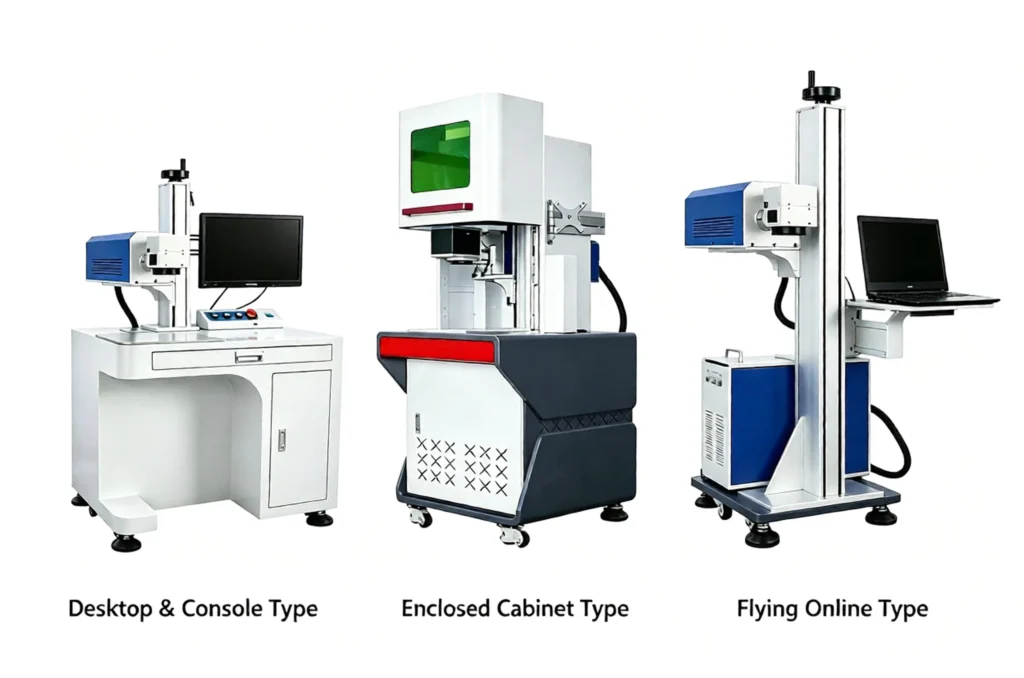
CO2 Laser Marking Machine Specifications
| Specification Item | CO₂ Laser Marking Machine Specifications |
|---|---|
| Laser Source & Wavelength | CO₂ Laser Source — 10.6 μm standard; 9.3 μm available for selected applications |
| Power Output | 30W / 60W / 100W+ configurations available |
| Marking Speed | Up to 10,000 mm/s, depending on material, marking field and process settings |
| Control Software & System | EZCAD control software with multilingual interface options |
| Cooling Method | Air-cooled or water-cooled configurations, depending on laser source and power |
| Available Form Factors | Split / Desktop: Compact configuration for workshops and flexible production. Flying Line: Designed for continuous online coding and marking. Enclosed Cabinet: Fully enclosed configuration for enhanced laser safety and fume control. |
| Safety & Compliance | Enclosed systems can be configured for Class 1 operation; open systems require appropriate Class 4 laser safety controls. CE/FDA documentation available depending on machine configuration and destination market. |
Versatile CO₂ Laser Marking & Engraving Applications
Explore how CO₂ laser technology enables efficient marking, engraving, cutting, and coding across a wide range of non-metallic and organic materials.
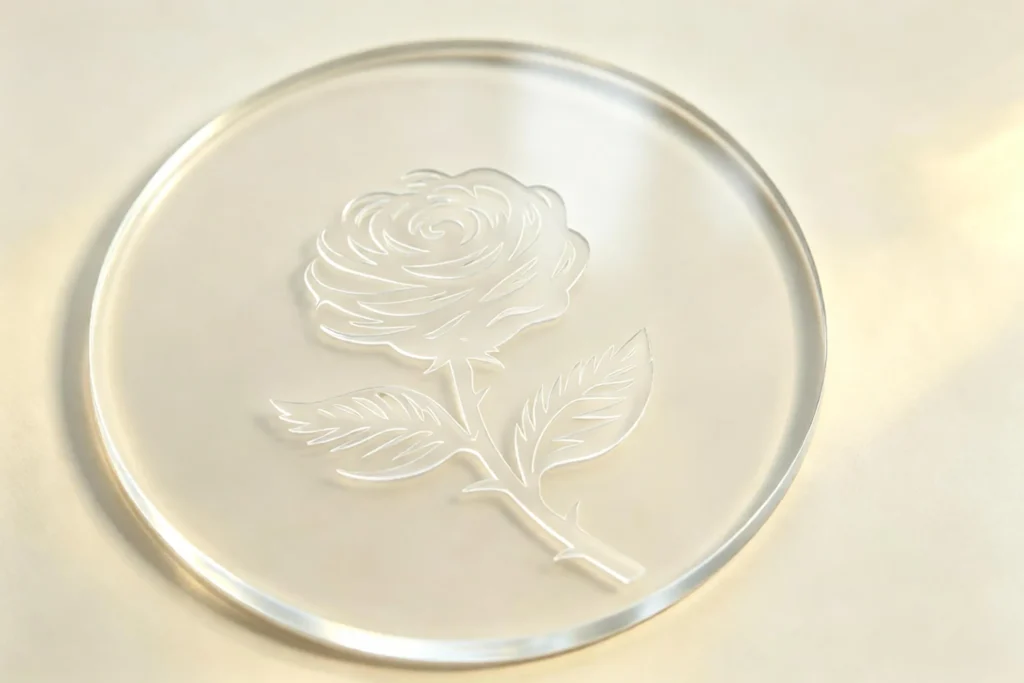
Glass & acrylic materials
Fine Marking & Decorative Engraving
Delivers smooth, frosted marking effects and crystal-clear permanent logos on wine bottles, glassware, acrylic signage, and optical lenses with zero material chipping or thermal damage.
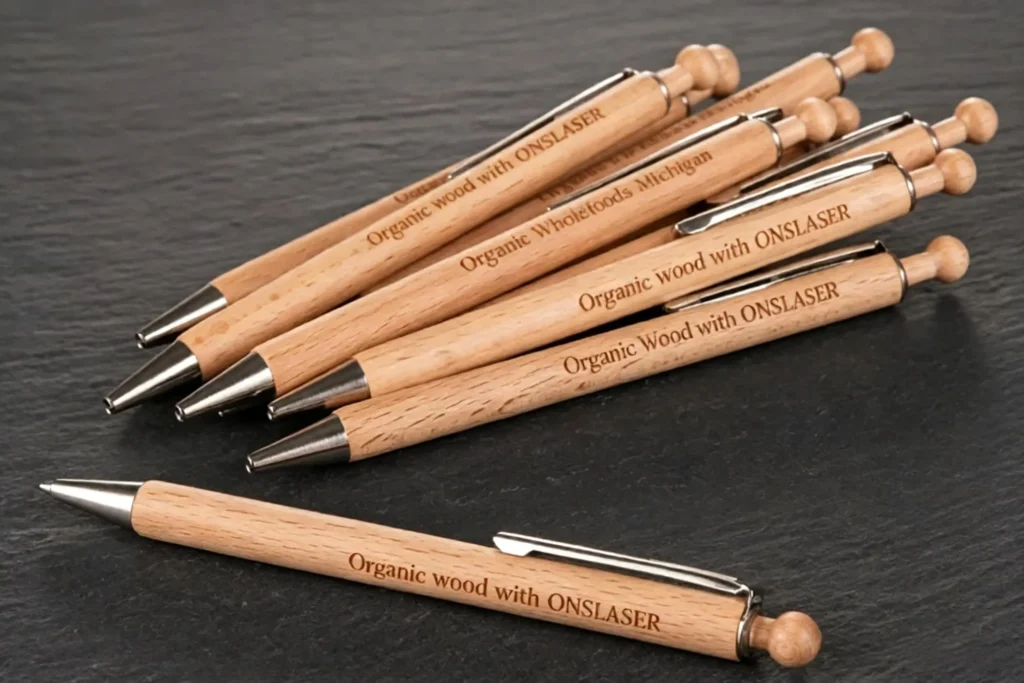
Wood & Bamboo Products
Engraving & High-Contrast Marking
Creates permanent logos, barcodes, text, and decorative patterns on wooden stationery, craft products, bamboo utensils, furniture components, and other wood-based products
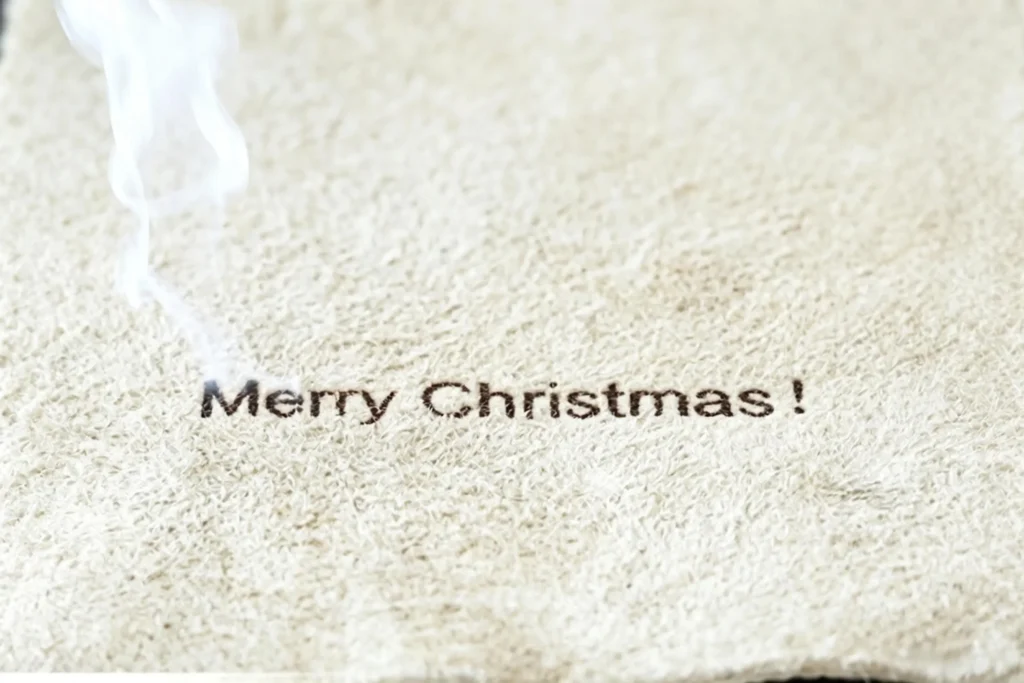
Suede & Microfiber Textiles
Controlled Surface Marking & Patterning
Suitable for logos, decorative patterns, and identification marks on selected suede, microfiber, and technical textile materials, with adjustable parameters for controlled heat input.
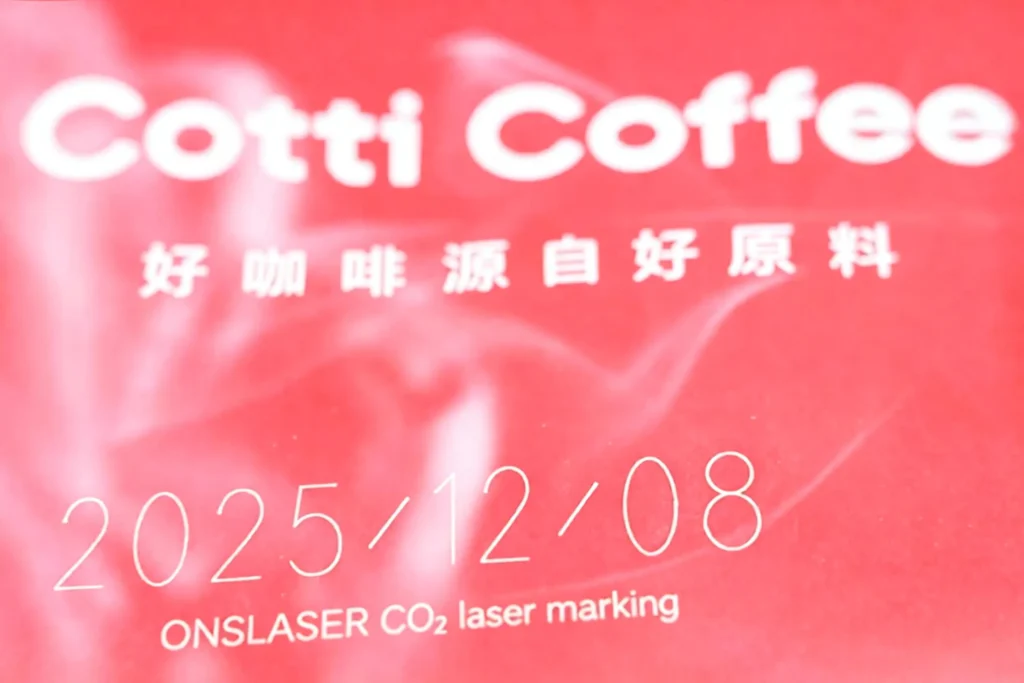
Plastic Packaging Bags & Pouches
High-Speed Date, Lot & Code Marking
Supports high-speed marking of dates, batch numbers, QR codes, and other variable information on compatible plastic films and laminated packaging materials.
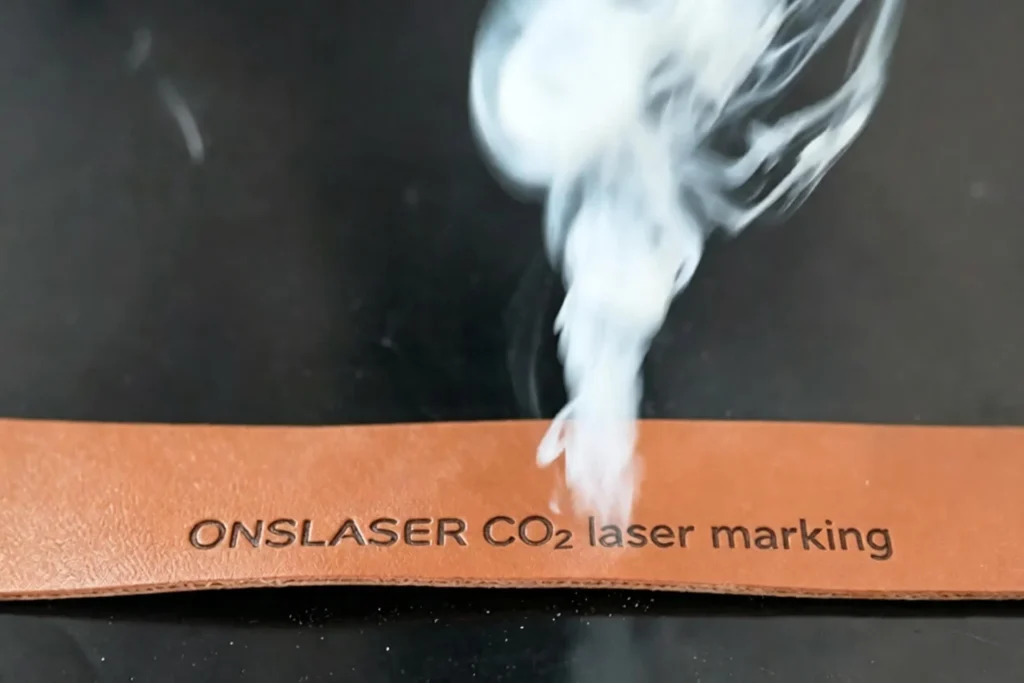
Leather & Accessories
Decorative Marking & Personalization
Enables permanent custom branding, textured embossing, and fine graphic marking on genuine leather belts, wallets, footwear, and automotive interior trims.
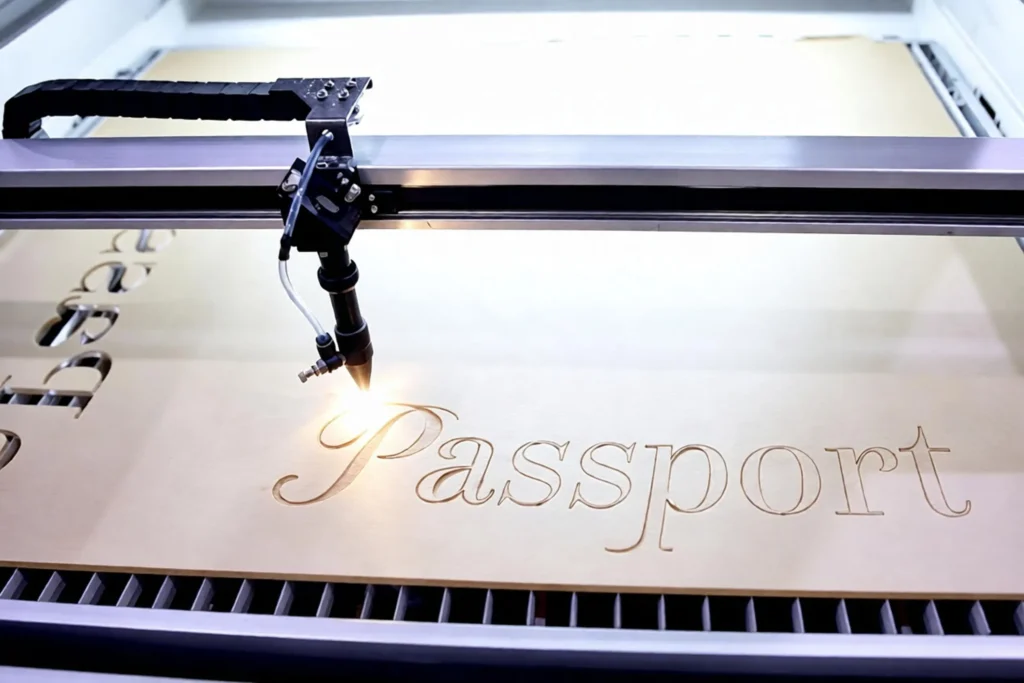
Cardboard & Packaging Boxes
Contactless Coding & Packaging Identification
Provides non-contact laser coding for serial numbers, batch information, barcodes, logos, and traceability marks on cardboard, corrugated boxes, and other compatible packaging materials.
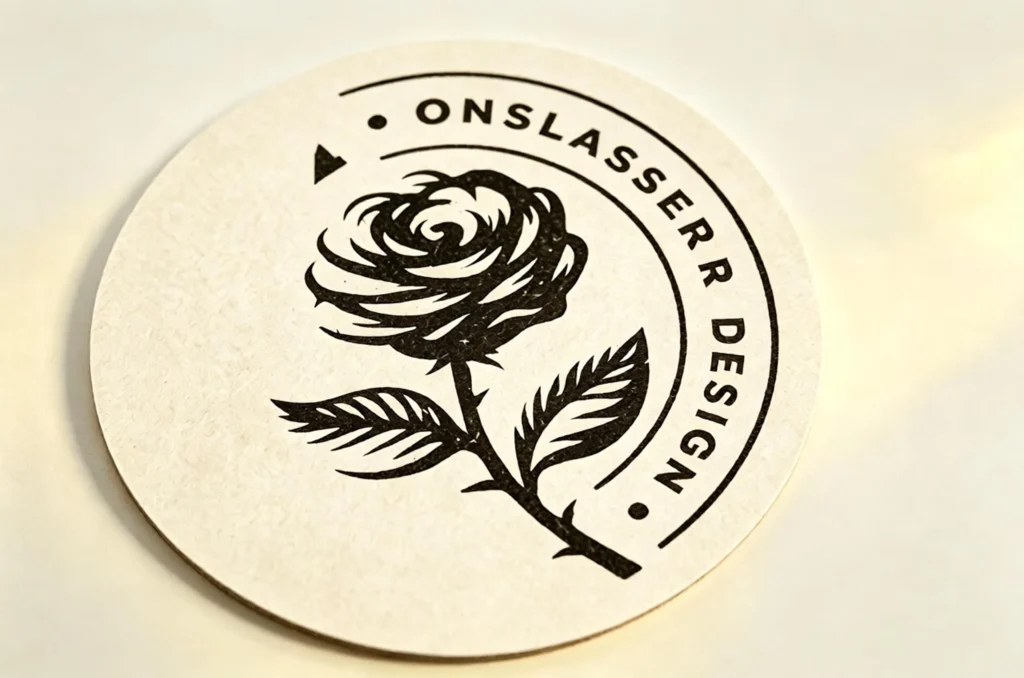
Paper & Specialty Cardstock
Fine Marking, Engraving & Cutting
Suitable for detailed cutting, engraving, perforation, and decorative marking on paper and specialty cardstock used for invitations, greeting cards, packaging, and creative products.
Build Your CO₂ Laser System in 4 Simple Steps
- step1:Select Your Production & Integration Mode
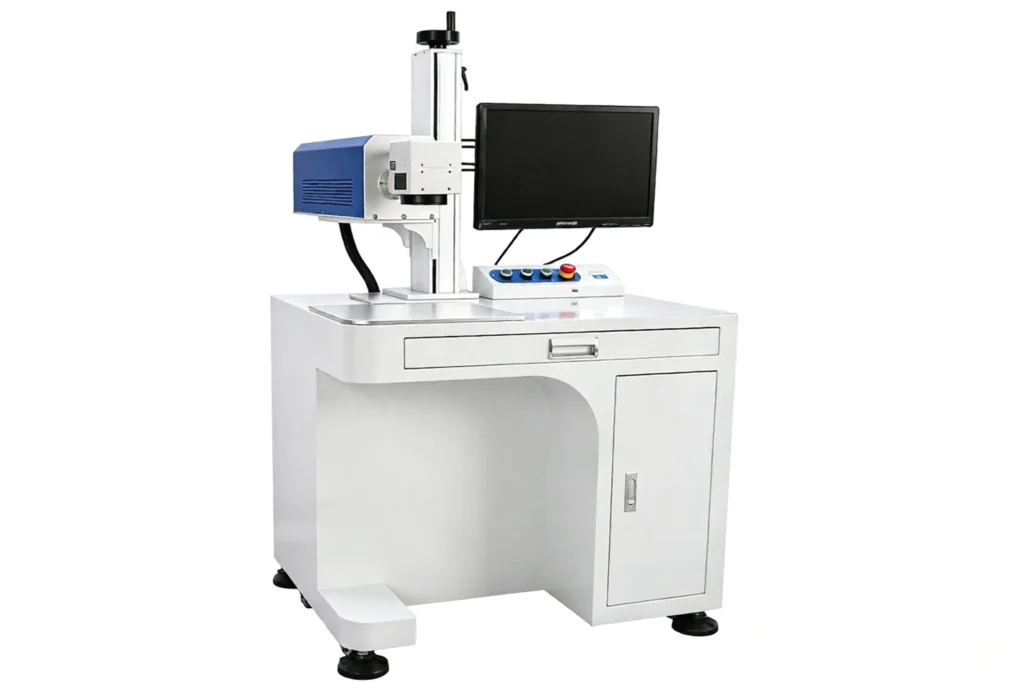
Option A: Standalone Desktop Mode
- Compact Workshop Setup
- Designed for workshops, customized product processing, and low-to-medium batch marking where a compact footprint and flexible workpiece positioning are important.
Option B: High-Speed Line Integration
- Automated Conveyor Flying Mode
- Designed for continuous online coding and marking on moving production lines. Photoelectric sensors can be integrated for automated product detection and trigger control without stopping the conveyor.
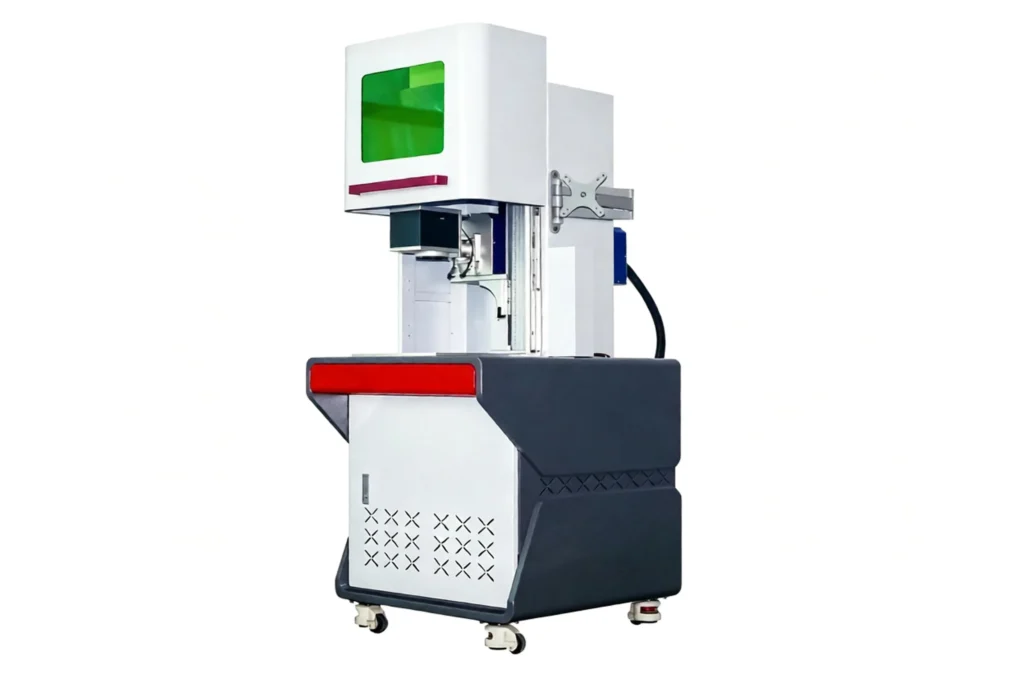
Option C:Enclosed Safety Cabinet
- Enhanced Laser Safety & Fume Control
- Fully enclosed configuration with safety interlocks and optional fume extraction for improved operator protection and process containment. Class 1 operation can be configured depending on the complete machine design and safety system.
- Step2 Select Laser Source & Optical Parameters
10.6 µm Standard CO₂ Wavelength
- The standard choice for many organic and non-metallic materials, including wood, bamboo, leather, paper, cardboard, acrylic, rubber, and selected glass applications.
9.3 μm Wavelength for Selected Packaging Applications
- Suitable for selected packaging films, plastics, and other applications where wavelength-specific absorption can improve marking quality. Material testing is recommended to confirm compatibility and process parameters.
RF Metal Tube
- RF CO₂ laser sources offer stable beam quality, fast response, and precise power control, making them well suited to high-quality marking, fine graphics, coding, and industrial production applications.
DC Glass CO₂ Laser Tube
- Water-cooled DC glass tubes provide a cost-effective option for applications requiring higher power at a lower initial equipment cost, particularly for engraving and cutting-oriented workloads.
- Step 3: Match Your Laser Power Output
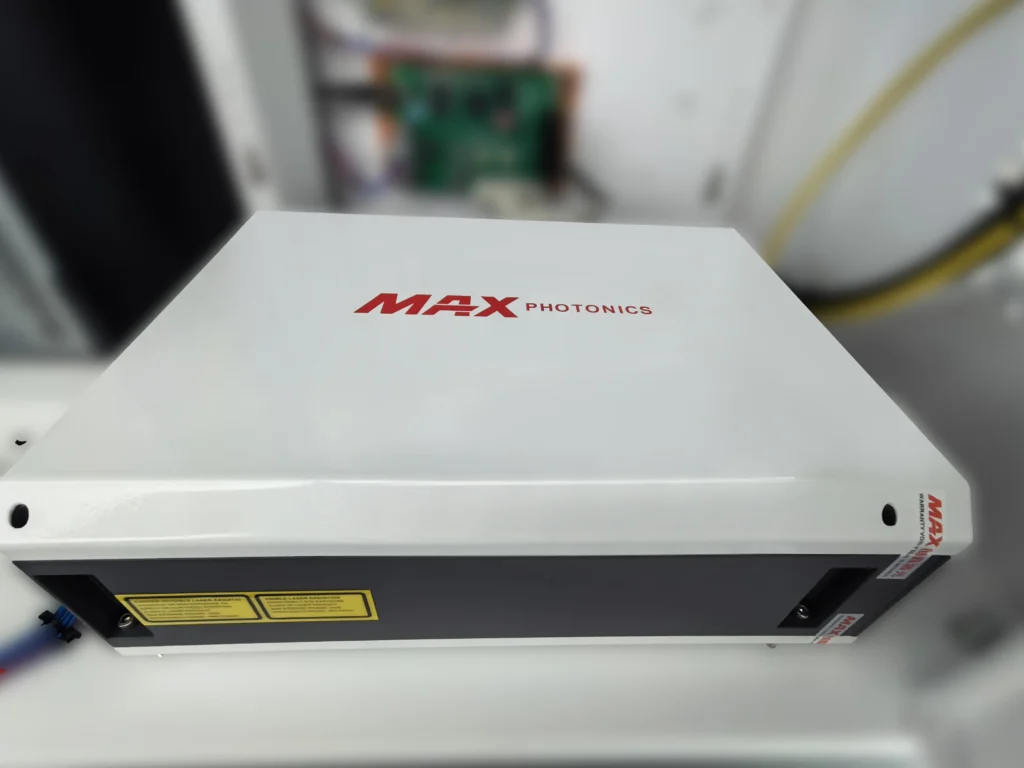
Select the laser power according to your material, required processing depth, marking area, and production speed.
30W Power Output — Standard Marking & Coding
Suitable for date and batch coding, QR codes, logos, text, and general surface marking on compatible paper, cardboard, leather, wood, plastics, and packaging materials.
60W Power Output — Higher Throughput & Engraving
Provides increased processing capacity for deeper engraving, faster marking, selected acrylic processing, wood engraving, leather applications, and higher-throughput production.
100W+ Power Output — High-Power Industrial Processing
Designed for applications requiring higher processing speed, deeper engraving, cutting capability, or continuous industrial production. Final power selection should be based on material, required depth, marking area, and cycle time.
- step4:Add Optional Accessories
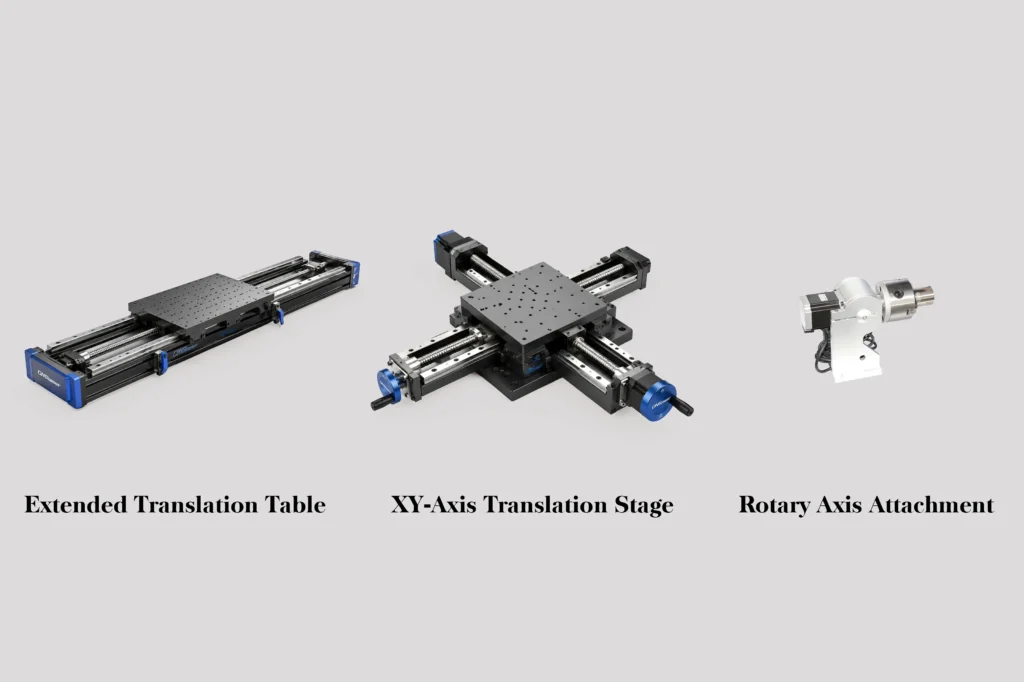
Expand your CO₂ laser system with optional accessories for larger workpieces, batch processing, cylindrical products, and automated workflows.
- Extended Translation Table:
Expands the horizontal working range for positioning long or oversized workpieces, packaging materials, panels, and other non-metallic products. - XY-Axis Translation Stage:
Motorized two-axis positioning for batch arrays, multi-part marking, and applications requiring repeatable workpiece positioning. - Rotary Axis Attachment:
Enables circumferential marking on compatible cylindrical and curved products such as bottles, tubes, containers, and selected round components.
Installation & Operation Guide
Pre-installed & Pre-configured Delivery
Multi-layer Safety Protection
Flexible Control & Production Integration
Supports standard manual marking workflows as well as optional foot-pedal triggering, rotary marking, XY positioning, and automated production-line integration. The system can be configured according to your production requirements.
01
Power Connection & Self-Check
Connect the specified power supply and grounding according to the machine configuration. Check the emergency stop, safety devices, cooling system, exhaust system, and other installed components before starting the machine.
02
Import Artwork & Set Parameters
Open the marking software and import your logo, text, barcode, QR code, or vector artwork. Set the marking speed, laser power, frequency, focal position, and other parameters according to the material and required marking effect.
03
Position the Workpiece & Start Marking
Position the workpiece and adjust the focal height before processing. Run a test mark when necessary to confirm alignment and marking quality, then start manual, batch, rotary, or automated marking according to the configured system.
04
Cleaning & Daily Maintenance
Keep the worktable, optical components, cooling system, and ventilation path clean. Periodically inspect protective components, electrical connections, filters, and other service items according to the machine configuration and operating environment.
Remote Software Training & Technical Support
Our technical team provides remote assistance for software setup, parameter configuration, operation guidance, troubleshooting, and routine maintenance.
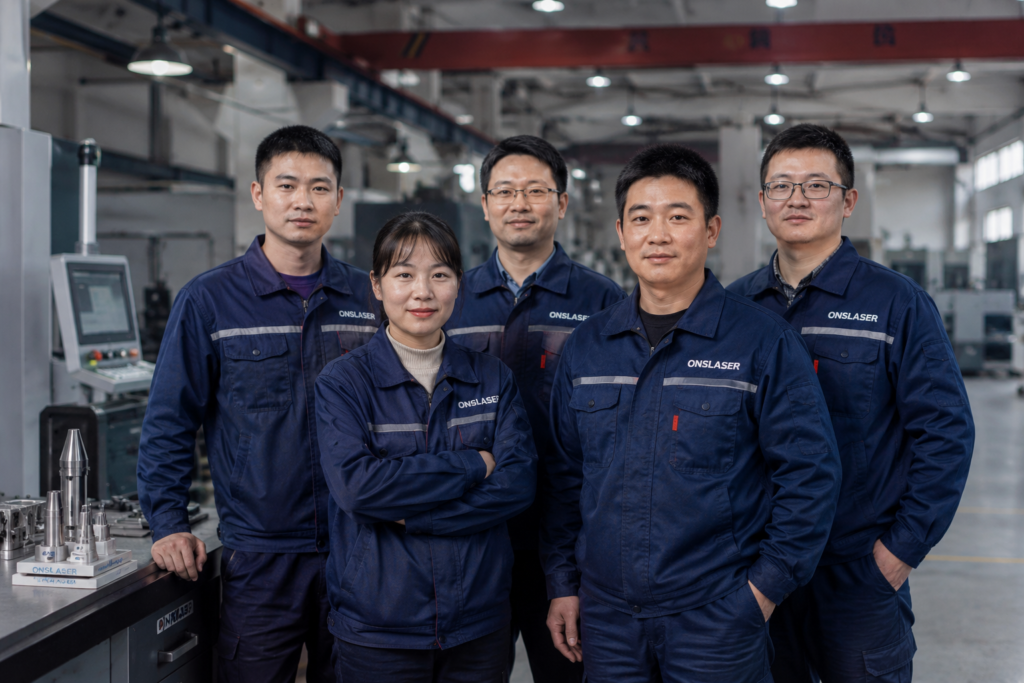
ONSLASER Core Advantage
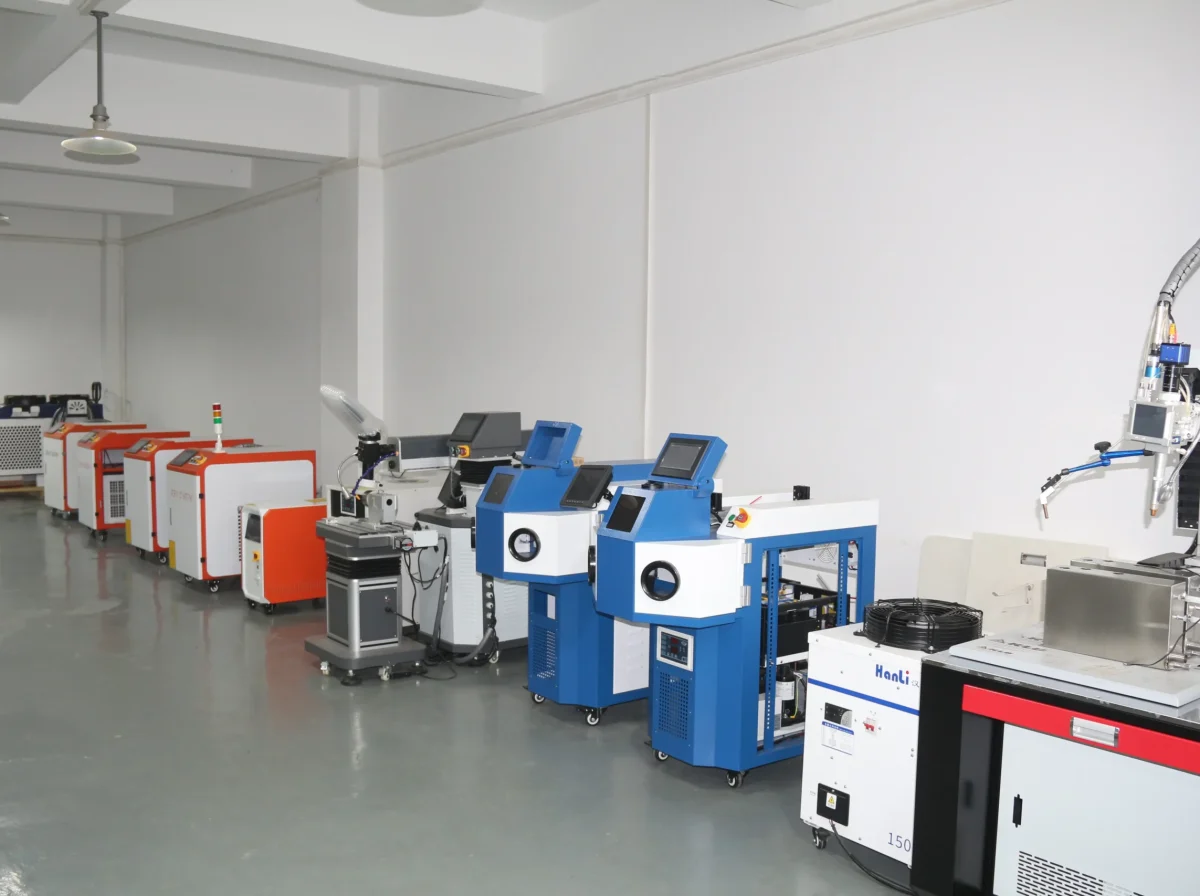
Direct Factory Pricing & Customization
As an original equipment manufacturer (OEM/ODM), we deliver industrial-grade laser marking machines directly from our production line. Our OEM services include customized chassis and branding, as well as flexible hardware/software configuration options tailored to your workflow. You get superior quality, zero middleman markups, and highly competitive prices.
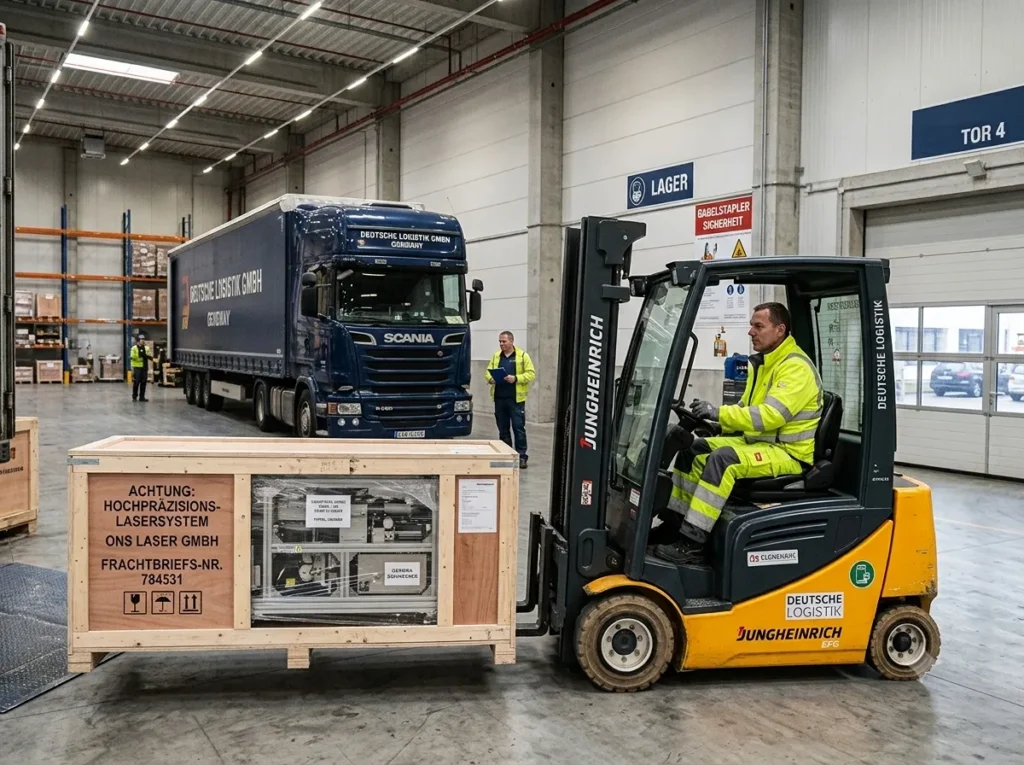
Local German Warehouse & Sample Testing
Visit our local German warehouse and showroom for live demonstrations and hands-on machine evaluation.
Complimentary marking tests are available using your actual materials, logos, barcodes, or marking requirements.
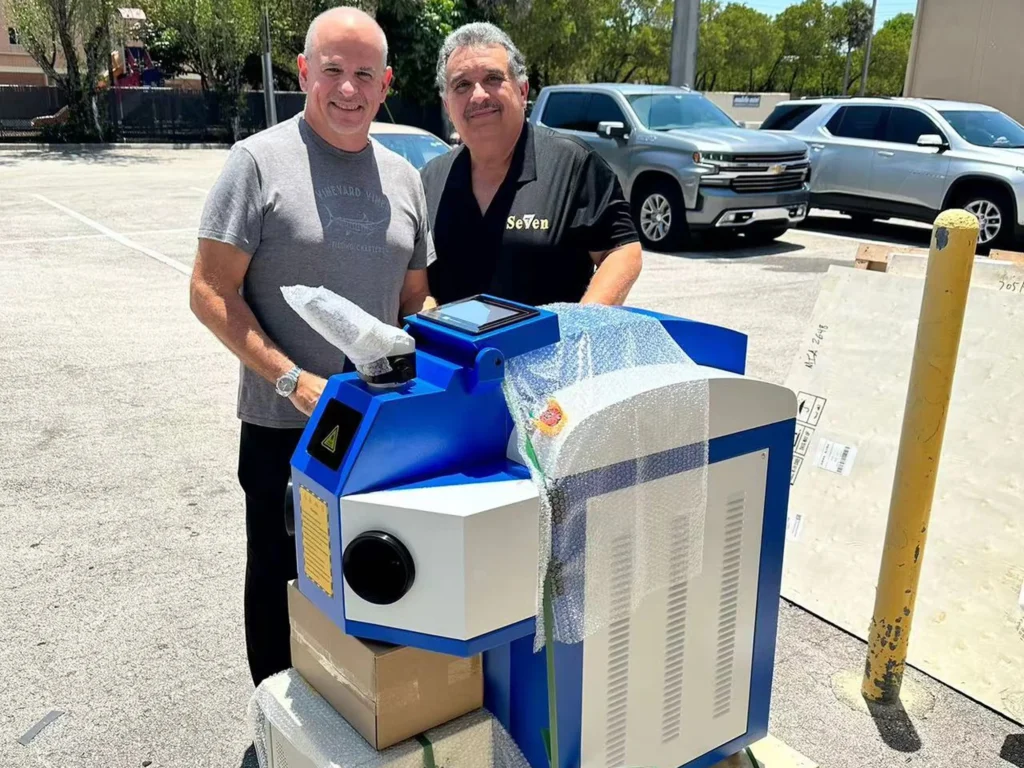
100% Pre-Assembled & Factory Calibrated
Every system is fully assembled, optical-path calibrated, and marking-tested before shipment. Key functions and marking performance are verified in advance, reducing setup time and allowing faster commissioning for your marking applications.
Ready to Get Your Custom Configuration & Factory Direct Price?
Click the button on the right and fill out the form. ONSLASER’s sales team will reply to you within 2 hours during business hours.
FAQ
Frequently Asked Questions about CO₂ Laser Marking Machines
Q1: What is the difference between Glass Tube (DC) and Metal Tube (RF) CO₂ lasers?
A: Glass DC tubes provide a cost-effective solution for general marking, engraving, and cutting applications. RF metal tubes typically offer a finer beam, smaller focused spot, faster pulse response, and better stability for precision marking and high-speed production. The most suitable source depends on your material, required marking quality, production speed, and budget.
Q2: Can a CO2 laser mark directly on metal surfaces?
A: Standard 10.6 μm CO₂ lasers are primarily designed for non-metallic materials such as wood, leather, paper, acrylic, rubber, and many plastics. They are generally not suitable for direct engraving on bare metals. However, CO₂ lasers can process certain coated, painted, anodized, or specially treated metal surfaces by removing or modifying the surface layer. For direct marking on bare metal, a fiber laser is usually the more suitable choice.
Q3: Can a CO₂ laser mark large-format workpieces?
A: Yes. For workpieces larger than the standard marking field, the system can be configured with an extended translation table or motorized XY positioning stage. This allows the workpiece to be repositioned or processed in multiple marking areas, depending on the required size, artwork, and automation setup.
Q4: Do you offer OEM/ODM customization for specific production line needs?
A: Yes. We provide OEM/ODM configuration options for different production requirements, including machine enclosures, laser source and wavelength selection, marking areas, rotary systems, positioning stages, conveyor integration, sensors, control interfaces, branding, and other application-specific configurations. Our engineering team can recommend a system based on your material, marking process, and production workflow.
Q5: What daily maintenance is required for a CO₂ laser marking machine?
A: Routine maintenance is relatively simple. Keep the work area, optical path, ventilation system, and cooling system clean and operating normally. Optical components should be inspected periodically and cleaned only according to the manufacturer’s recommended procedure. For water-cooled configurations, cooling water and chiller condition should also be checked regularly. Maintenance requirements may vary between RF and DC tube systems.
Q6: What after-sales service and technical support are included after purchase?
A: We provide remote technical support for machine setup, software configuration, parameter adjustment, operation guidance, troubleshooting, and routine maintenance. Operation manuals and training materials are supplied with the machine, and replacement parts and technical assistance are available when required. Support arrangements can also be confirmed according to the machine configuration and destination market.
Get Your Free Custom Quote & Datasheet
Please fill in the details below, our sales team will reply within 24 hours with a customized quotation and specification sheet.
Useful insights on laser Marking methods
Want to learn more about laser marking machines before investing? Explore everything you need to know about laser marking in this guide.
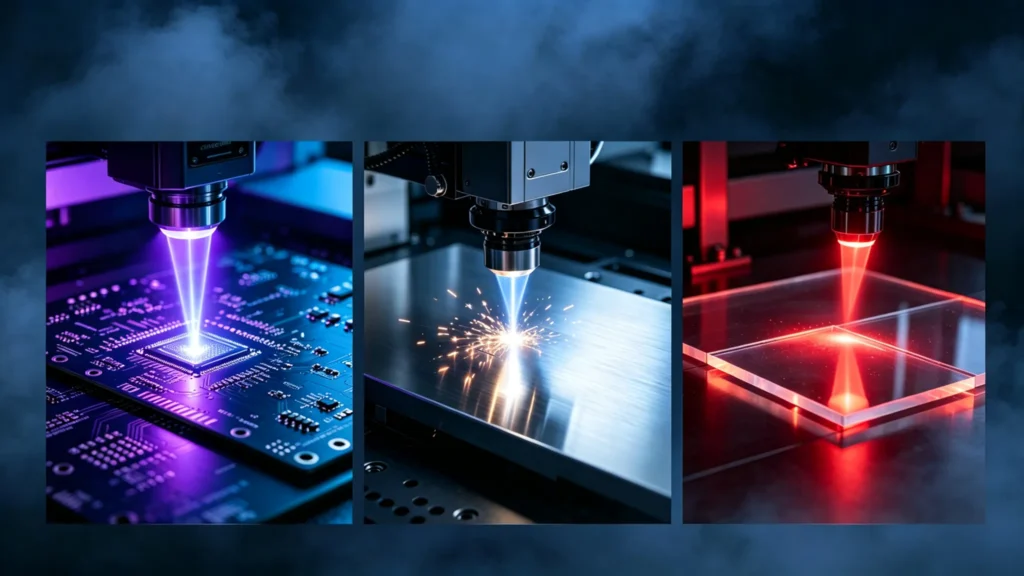
Fiber vs. CO₂ vs. UV Lasers: The Ultimate Triple-Threat Comparison Guide
Unsure which laser fits your shop floor? Discover how matching Fiber, CO2, and UV wavelengths eliminates micro-cracks, charring, and costly downtime—slashing cost-per-part while maximizing precision and cycle-time efficiency.
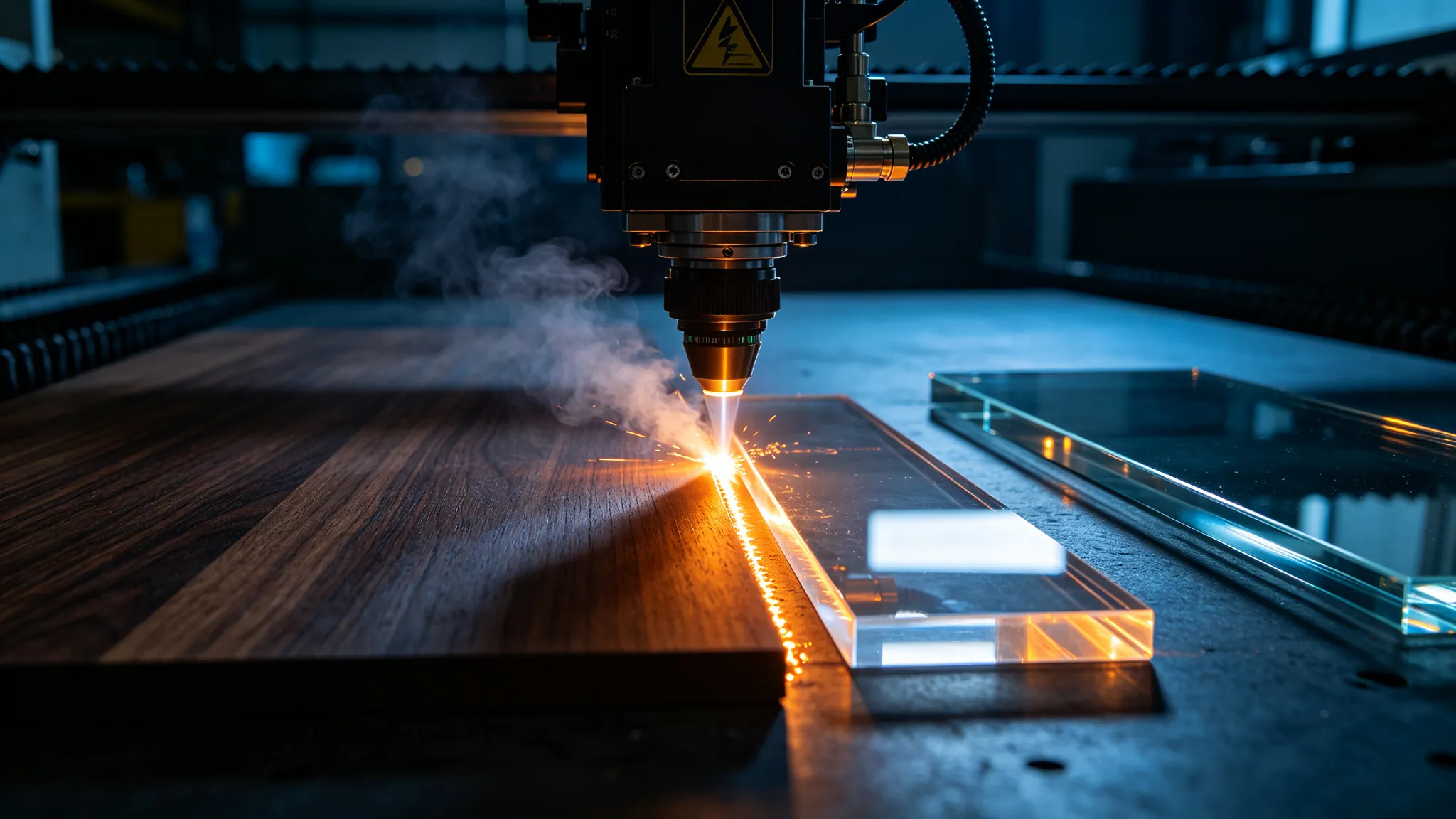
Why CO₂ Laser Marking Machines Still Dominate Organic Materials, Wood, and Glass
Discover how 10.6 µm wavelength matching delivers char-free wood carving, frosted glass etching, and high-speed packaging coding—slashing operating costs while maximizing organic material processing efficiency.