Buying a small laser welder isn’t just about watts—it’s about the physical job your team needs to do every day. If the machine architecture doesn’t match your workpiece size, operator posture, or safety setup, you’ll lose time to awkward fixturing, shaky seams, and constant rework. The right format lets your operator work naturally, keeps the beam stable, and safeguards the workflow.
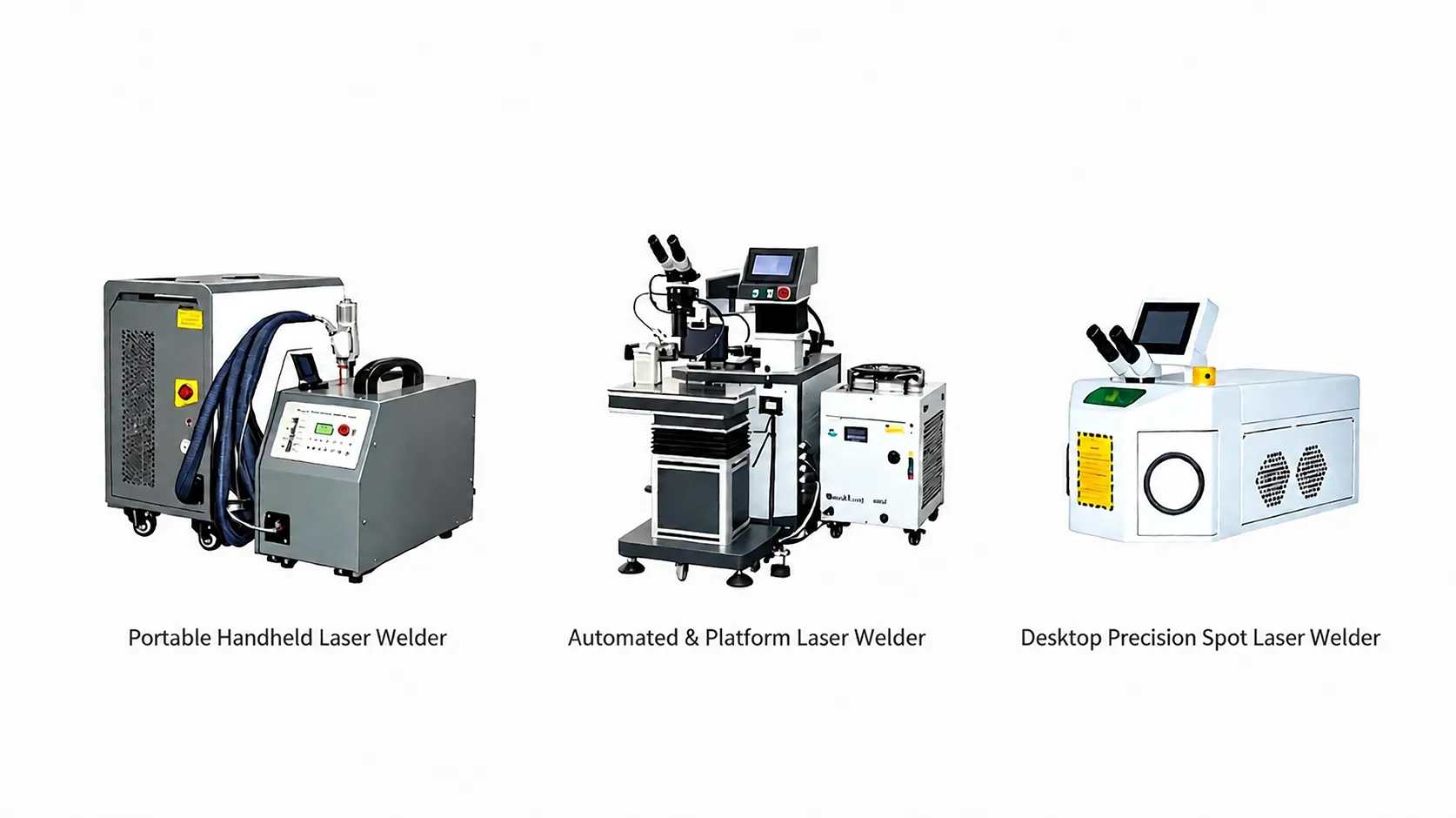
This guide breaks down the three core architectures you’ll see on the market: Portable Handheld, Automated Platform, and Precision Benchtop. Pick by workpiece dimensions, motion control needs, and safety constraints—not by the brochure headline.
1. Introduction: Matching Machine Architecture to Your Production Needs
The core dilemma: Even a high-watt laser underperforms if the physical format doesn’t fit the job. A large enclosure panel can’t sit inside a tiny benchtop. Micro-jewelry won’t benefit from a handheld torch. A mold cavity can’t be reached if the head won’t articulate.
The three functional architectures:
Portable Handheld: Operator moves to the part. Ideal for large, irregular, or installed structures.
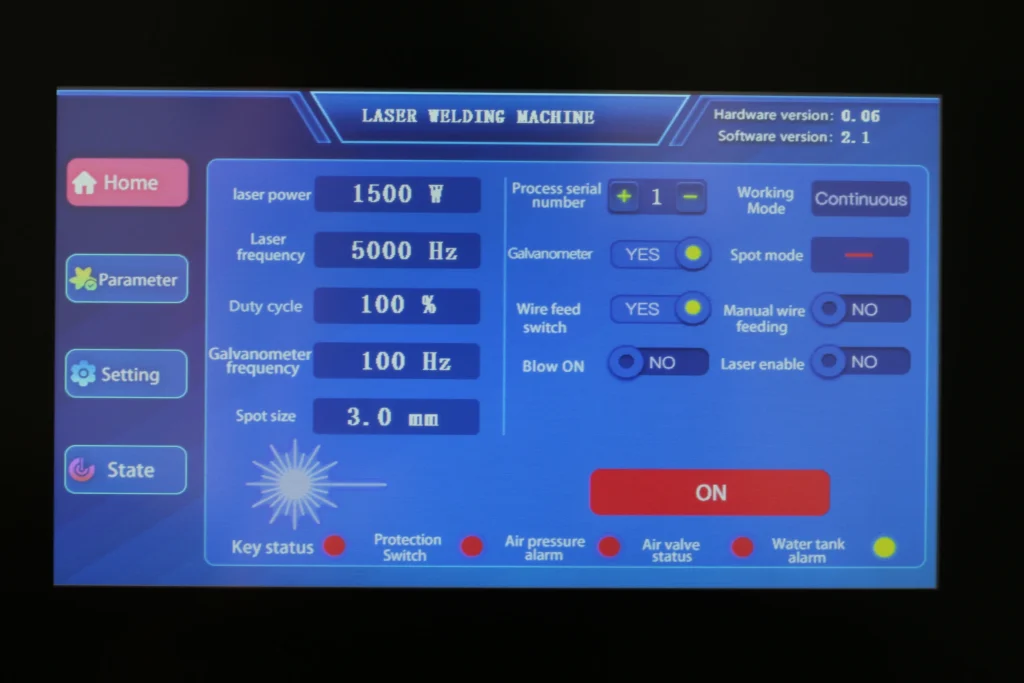
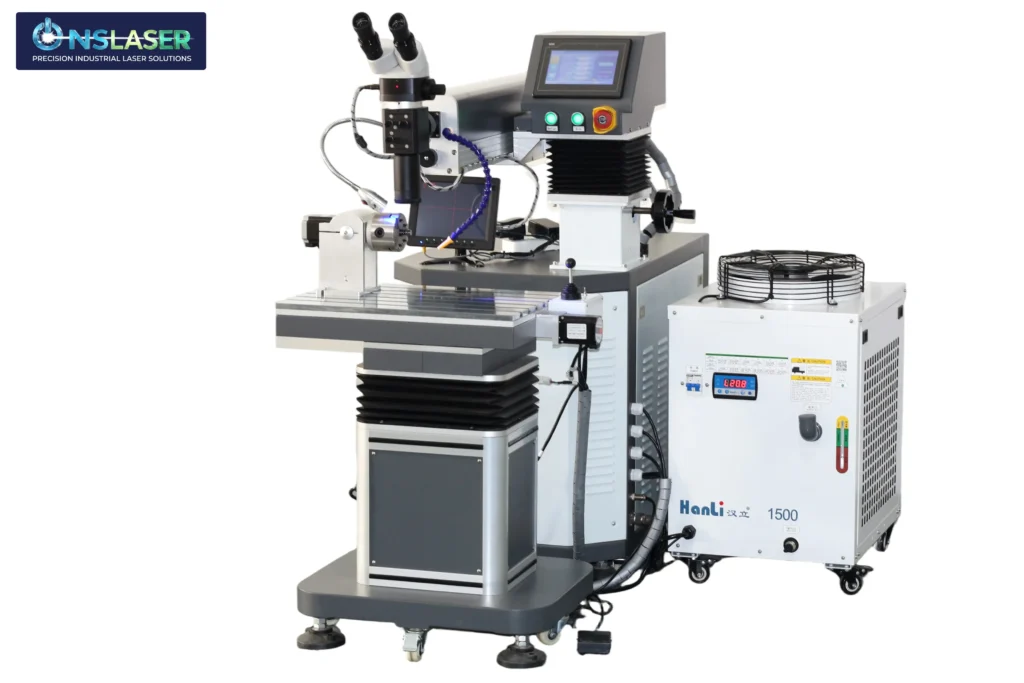
Automated Platform: The machine moves the beam/part with motorized precision for repeatable, programmable tracks.
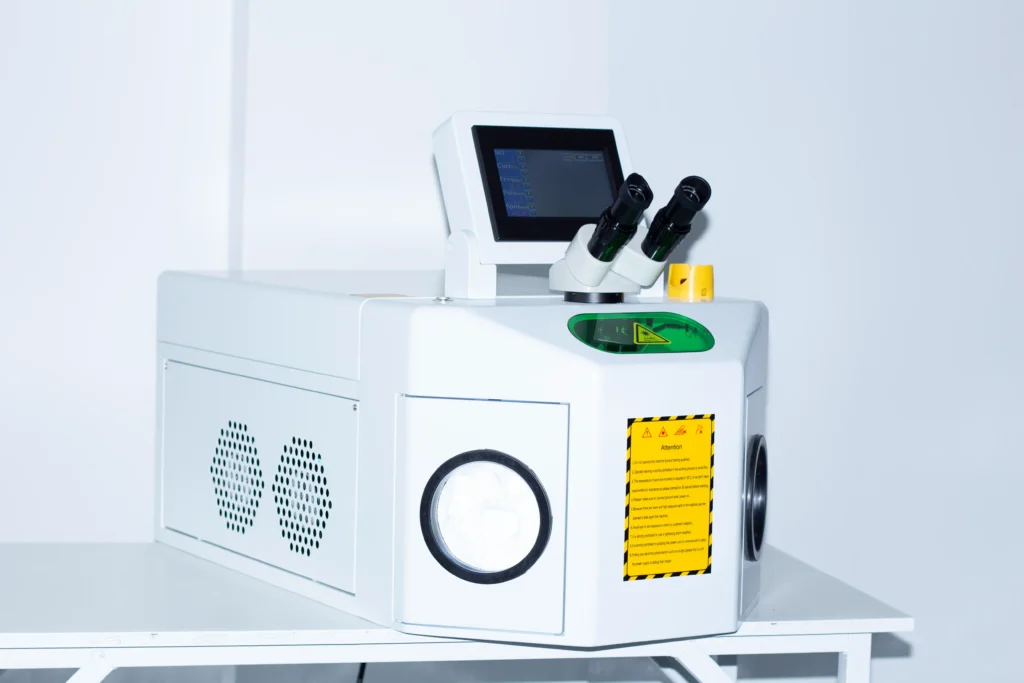
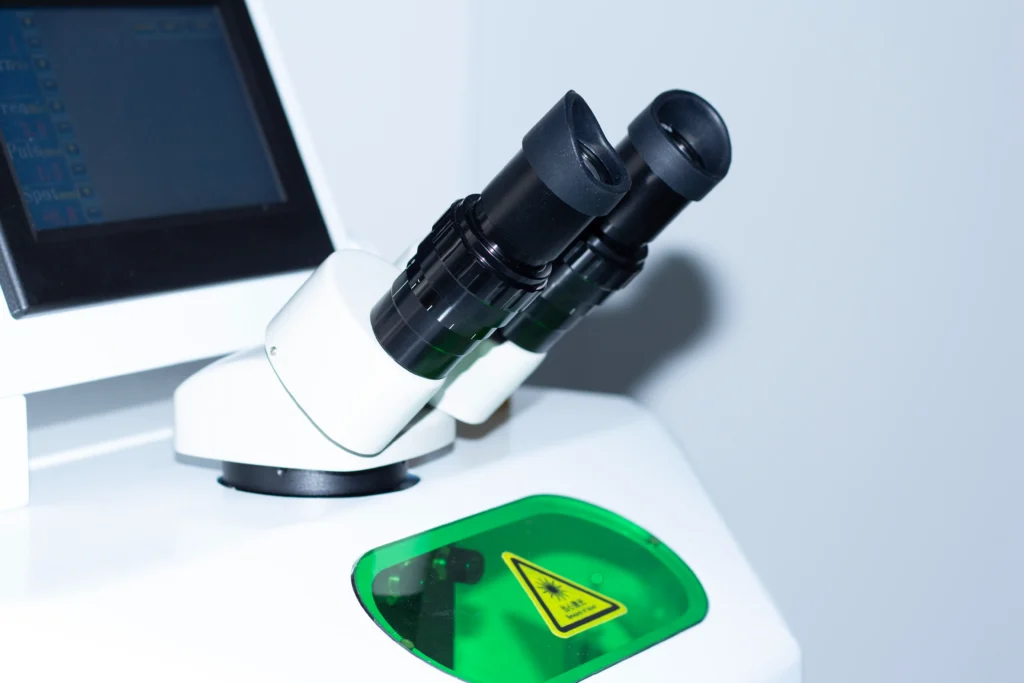
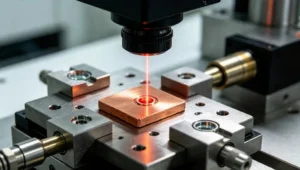
Benchtop Precision Spot: A compact, enclosed station for micro-sized parts and cleanroom-friendly workflows.
2. Portable Handheld Laser Welders: Maximum Mobility for Large & Irregular Workpieces
Hardware profile:
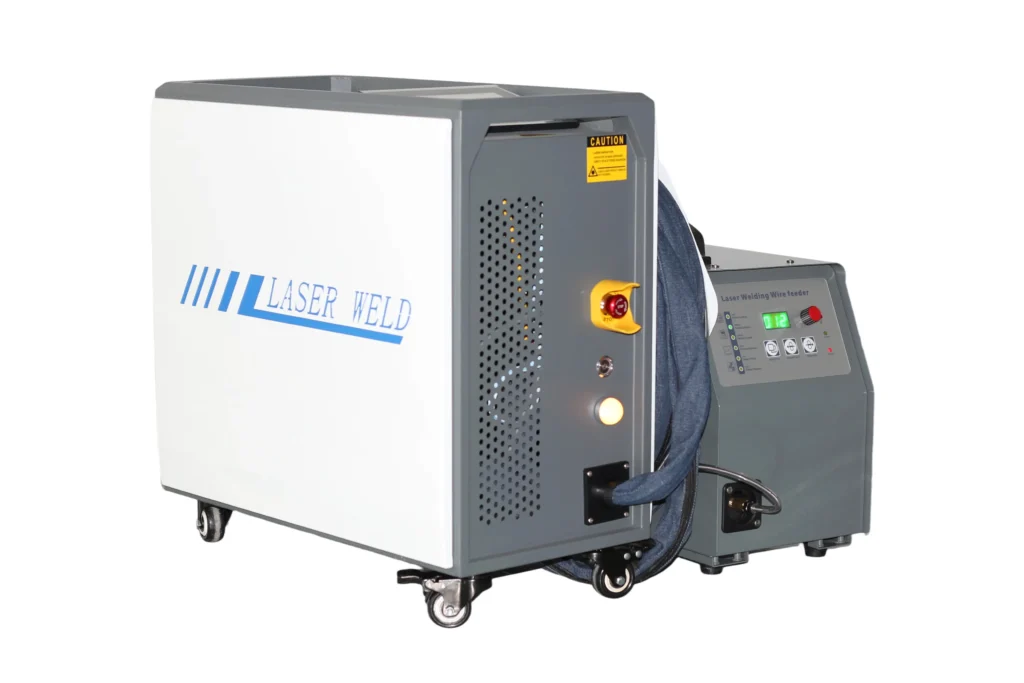
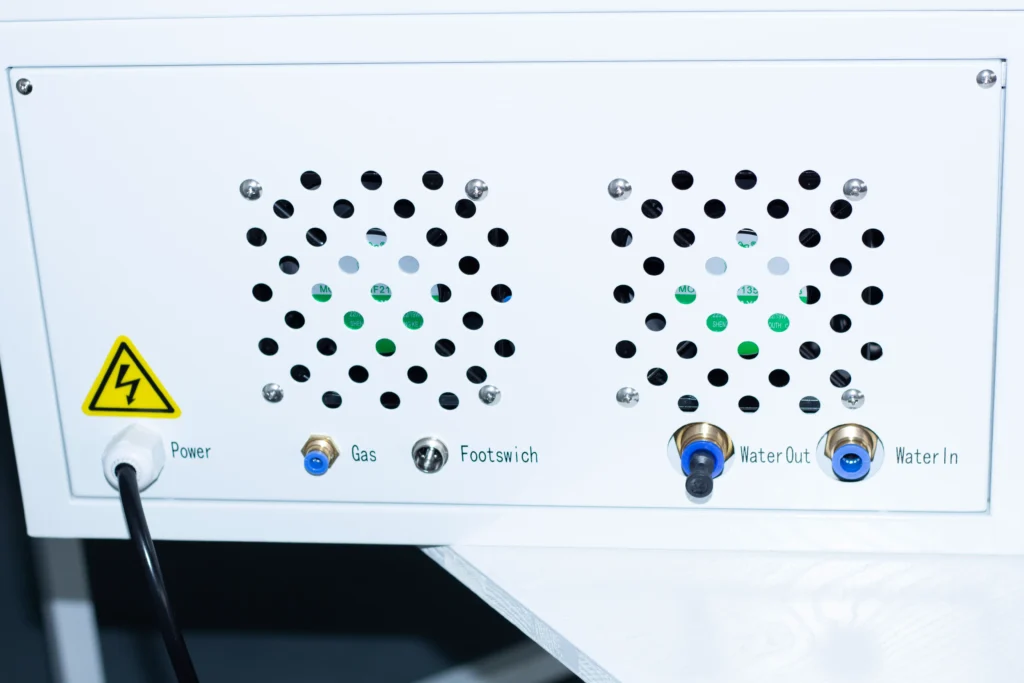
Mobile cabinet on wheels, integrated chiller, laser source, and fume extraction ports
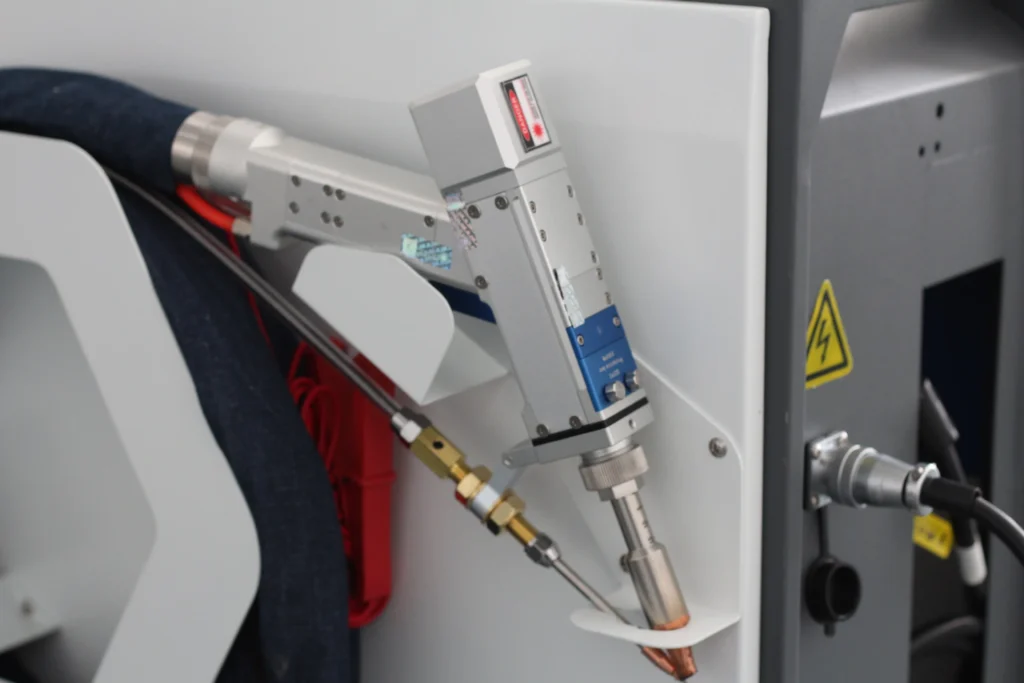
5–10 m flexible optical fiber with ergonomic wobble torch and safety interlocks
Swappable nozzles for corner, fillet, inside/outside seams; optional wire feeder
Key advantages:
Unlimited workpiece size: Bring the torch to the part—no need to lift bulky enclosures onto a stage.
Gap tolerance: Wobble (beam oscillation) bridges 1–2 mm gaps and offsets minor fit-up issues.
Fast onboarding: Most operators achieve stable seams within 2 hours thanks to wobble presets and simple parameter sets.
Low post-processing: Smooth conduction-mode seams on stainless and aluminum reduce grinding and re-polishing.
Typical applications:
Sheet metal enclosures and HVAC cabinets
Kitchenware, signage, and architectural trim
Field repairs on installed equipment and frames
Large frames, door skins, elevator panels
Operator ergonomics and safety:
Use a counterweight or cable boom to reduce wrist fatigue on longer runs.
Maintain a clear cord path and good fume extraction; use proper PPE (laser eyewear matched to wavelength/OD).
Alt Text Suggestion: handheld laser welding stainless steel enclosure corner
6. Decision Matrix: 3 Questions to Choose the Right Machine
Q1: What are your physical workpiece size boundaries?
If you can’t bring the part to a table, choose handheld.
If parts fit within a stage and repeat daily, choose platform.
If parts are micro-sized and cosmetic-critical, choose benchtop.
Q2: Do you need automated repeatability, micro-vision, or manual freedom?
Automation and batch consistency: platform.
Micro-precision with magnification: benchtop.
On-the-spot flexibility and field service: handheld.
Q3: What are your workshop containment and safety space restrictions?
Shared space without full laser room: benchtop enclosure is the easiest to site.
Dedicated cell with guards/extraction: platform or handheld with booth.
Mobile jobs or on-site service: handheld cart with PPE and portable screens.
Pro-Tip on Budget & ROI: Handheld offers the lowest initial barrier for general fabrication; Benchtop maximizes ROI for precious metal high-margin repair; Platform stations yield the highest long-term ROI when scaling up standardized batch production.
7. Optimize Your Shop Floor Workflow with ONS LASER
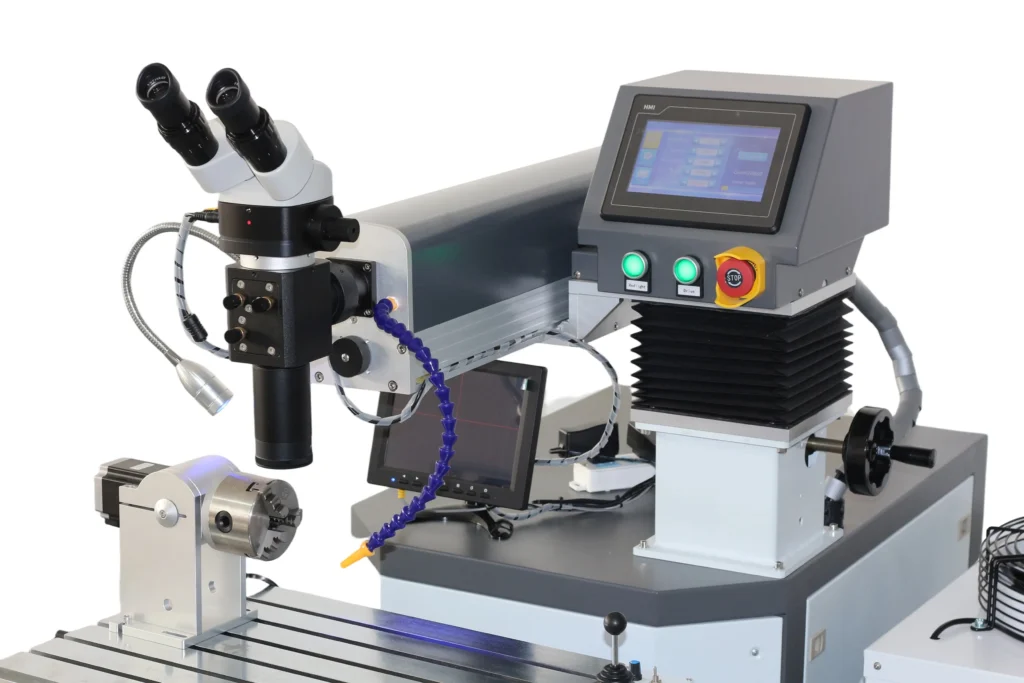
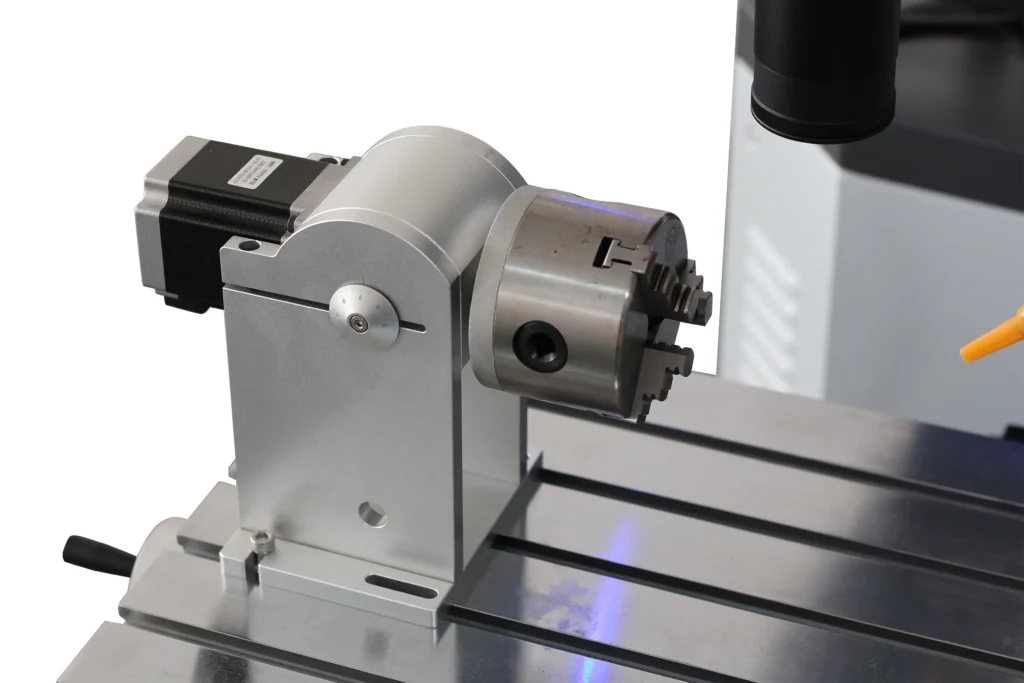
ONS LASER covers all three categories—handheld mobile welders with wobble heads, automation-ready platform cells (with X/Y/Z, rotary, and mold-repair arms), and enclosed benchtop precision welders with microscope guidance. You get unbiased guidance on which form factor actually fits your jobs, not just what’s in stock.
Why teams choose ONS LASER:
Direct Factory Pricing & OEM/ODM
No middleman markup. We customize fixtures, optics, vision, safety enclosures, and software to your workflow.
Local German Warehouse & Hub
Duty-paid stock, fast European delivery, and a German showroom for live demos and hands-on sample testing.
100% Pre-Calibrated & Ready to Run
Fully assembled and optically aligned before dispatch. Up and running in under 10 minutes after uncrating.
Full Laser Spectrum Expertise
Fiber, MOPA, CO2, UV, and YAG in-house. We recommend what fits your materials and part mix—today and as your product line evolves.
Ready to see evidence on your parts? Send your samples to our application lab. We’ll run free comparative tests across handheld, platform, and benchtop setups, then return:
Microscopic weld photos and video
Cycle-time and takt comparisons
Parameter sheets and fixture notes for your operators
Welcome to ONSlaser! Need assistance with material compatibility, technical parameters, or factory-direct pricing? Drop us a message, and our engineering team will respond shortly.
WhatsApp us
Get Your Free Project Quote & Solution
Fill out the form below, and our technical team will be in touch within 24 hours.